Selling a House With Leased Solar Panels in Iowa
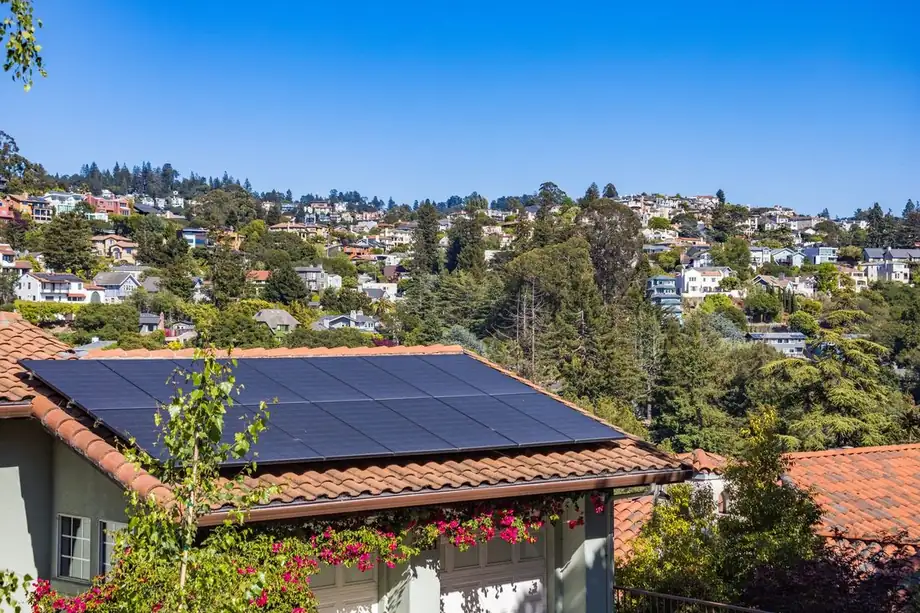
A leased solar array turns your roof into somebody else's equipment. Picture the paperwork you finally dug out when the buyer's agent started asking about the panels: a twenty-year agreement, a monthly payment that transfers with the house, a UCC-1 filing you did not know was sitting against your title, and a buyout number near the bottom that made you quietly set the folder down. You did not really buy those panels. You are renting your own roofline. And now that you are selling a house with leased solar panels in Iowa, that contract is suddenly the buyer's problem, the lender's problem, and yours, all at the same table.
Here is the honest version. Owned, paid-off panels usually add value. Leased panels and power-purchase agreements (PPAs) often do the opposite, because the buyer has to qualify to assume a contract they did not choose, or you have to buy the lease out at closing, or the whole arrangement scares off a financed buyer whose lender does not love a UCC-1 fixture filing clouding the title. You have three real moves: have the buyer assume the lease, pay the lease off or buy it out before or at closing, or sell the house as-is to a cash buyer who can absorb the lease question. Pull your exact transfer and buyout terms from your solar provider before you do anything else.
Those panels feel like they belong to the house because they are bolted to it, but the contract underneath says otherwise, and that gap between what is on your roof and what is in your name is exactly what every buyer, lender, and title examiner is going to poke at. So before you list, get crystal clear on which kind of solar deal you actually signed, because the answer changes every move that comes after it.
Owned, leased, or PPA: what you actually signed
Before anything else, find out which of three deals you have, because they are not the same animal and buyers treat them very differently.
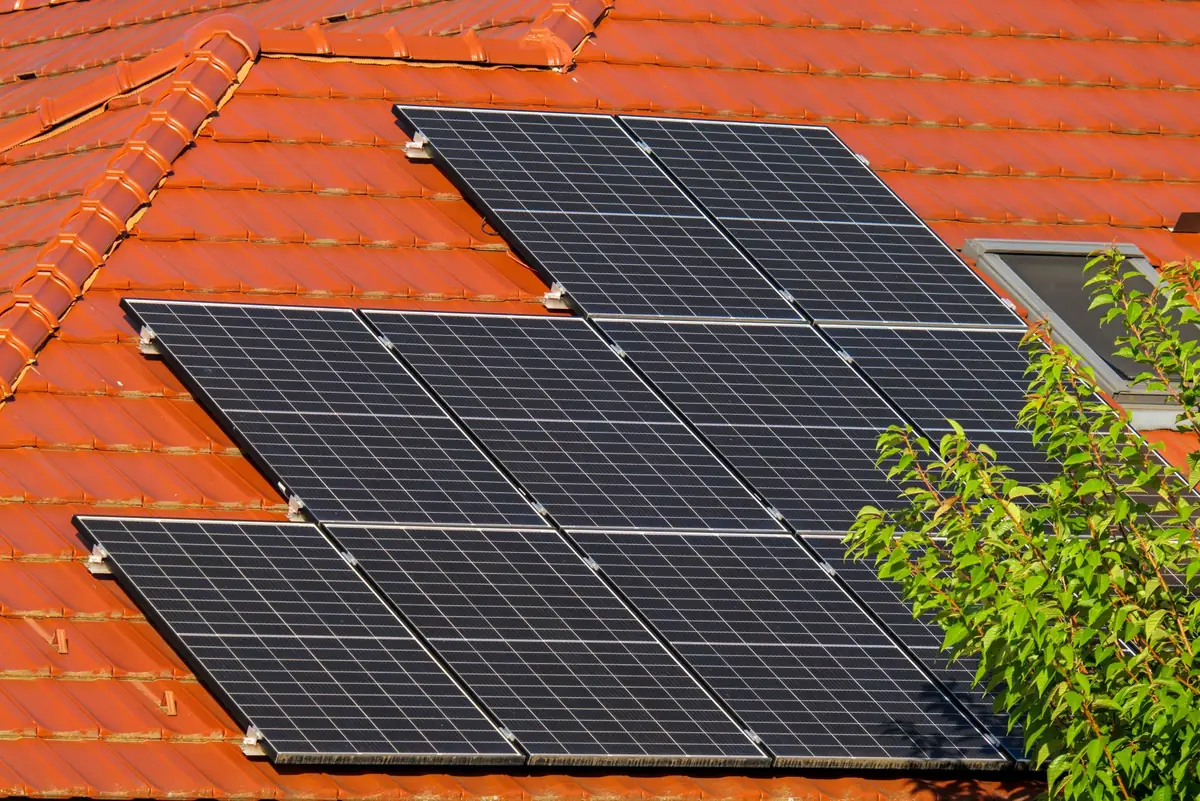
Owned panels are the simple case. You paid cash or you financed them and the loan is paid off, so the panels are yours the way the furnace is yours. They convey with the house, and a system you own outright generally adds value, because the buyer gets lower power bills and pays nothing extra for the hardware.
A lease is the opposite. The solar company owns the equipment on your roof. You pay a fixed monthly amount to use it, usually on a long contract that can run 20 or 25 years. A power-purchase agreement, or PPA, is a close cousin: instead of flat rent you pay per kilowatt-hour for the electricity the panels produce, again on a long contract, again with the company owning the hardware.
(I have sat at more than one kitchen table where the seller was certain they owned the panels, right up until we pulled the agreement and found the word "lessee" next to their name. The salesperson years earlier had said "no money down," and "no money down" quietly meant "not yours.")
Why it matters for the sale: owned panels are an asset you hand over. Leased panels and PPAs are a contract you hand over, and the buyer has to agree to step into it. The federal homeowner's guide to going solar lays out the difference between owning, leasing, and a PPA, and it is worth a read before you list so you describe your system accurately. If the roof under those panels is also aging, that is a second conversation, and this walk-through of selling a house with a bad roof in Iowa pairs with this one, because panels have to come off and go back on for any roof work.
Owned panels are a feature you give away. A solar lease is a twenty-year contract you are asking a stranger to co-sign for. Buyers feel that difference the second they read the fine print.
Why a solar lease scares buyers and lenders
A leased system can stall a deal in ways an owned system never does. Three things drive it.
First, the buyer has to qualify. To assume your lease or PPA, the buyer usually has to apply with the solar company and clear a credit threshold, much like they did with their mortgage lender. If they do not qualify to take over the contract, the sale sits until someone solves it.
Second, the payment is a second bill on top of the mortgage. A buyer running the affordability math sees the house payment plus a solar payment for the next decade or two, and some of them decide the panels are not worth the extra cost, especially when the promised savings never quite matched the sales pitch.
Third, and this is the one that surprises sellers, the solar company often records a UCC-1 fixture filing against the property. That filing puts the world on notice that the company has a claim to the equipment attached to your house, and a title examiner will find it. On an Iowa closing, where the abstract of title is updated and examined by an attorney before the deal funds, that filing shows up and has to be addressed. It can cloud your title, and a mortgage lender may want it resolved, subordinated, or otherwise handled before they will fund the buyer's loan.
For a financed buyer, this stacks up fast. Their lender's appraisal exists to protect the lender's collateral, and a lease that adds a monthly obligation plus a filing against the property is exactly the kind of thing an underwriter wants cleaned up first. Cash buyers do not carry that baggage, because there is no lender and no underwriter setting conditions at the table.
(The cruel part is that leased solar was often sold as a way to save money and help the house. At resale it can do the reverse: fewer buyers, harder financing, and a contract nobody at the closing table wanted to inherit.)
None of this means the house won't sell. It means the panels are a contract item, not a countertop, and if the lease is the thing blocking a clean financed sale, selling the house as-is in Iowa to a buyer who can absorb the contract is often the shorter path.
Your three options with leased solar panels
Whatever your contract says, there are three honest ways to handle a leased system in a sale. Get your exact numbers from the provider first, because the transfer rules and the buyout figure are written into your specific agreement.
1. Have the buyer assume the lease
The buyer applies with the solar company and takes over the contract at closing. This works when the buyer wants the panels, qualifies for the transfer, and the payment fits their budget. The catch is that it adds a second approval to your sale on top of the mortgage, and it only works with a buyer who is fine carrying that payment for the years left on the term. Start the transfer paperwork early, because the solar company sets the pace, not you.
2. Buy out or pay off the lease
You end the contract by paying the buyout amount, then the panels either convey free and clear or the company removes them. This clears the UCC-1 filing and turns the house back into a normal listing. The catch is cost: a buyout on a long lease can be a real number, and you have to weigh it against how much a clean title is worth to your sale. Ask the provider for the exact buyout figure and whether early termination carries its own fee.
3. Sell the house as-is to a cash buyer
Sell directly to a cash or investor buyer who takes the house with the lease attached and sorts the contract out themselves. You get less than a polished retail number, and I won't pretend otherwise, that is the honest trade. In exchange you skip the buyer-qualification gamble, the buyout check out of your own pocket, and the lender who balks at the fixture filing, and you pick your closing date. On a house where the solar lease is already scaring off financed buyers, this often nets close to a clean sale once you subtract the buyout and the carrying months you would have spent waiting. This is the lane I work in.
| Option | Best when | The catch |
|---|---|---|
| Buyer assumes the lease | The buyer wants the panels, qualifies, and the payment fits | A second approval on top of the mortgage; the solar company sets the pace |
| Buy out or pay off | You want a clean title and a normal listing | The buyout can be a real cost with no guaranteed return |
| Sell as-is for cash | The lease is stalling financed buyers and you want certainty | Lower price traded for speed and no buyout out of pocket |
Here is how a fair cash offer gets built, so it isn't a mystery: start with the after-repair value (what the house is worth in good shape), then subtract the cost to resolve the solar lease (a buyout, or the discount for taking it on), the holding and selling costs, and a margin to make the risk worth it. That is why the number lands under a polished retail price, and why a heavy lease widens the gap. Before you spend on anything else to dress the house up, it is worth reading what not to fix when selling a house in Iowa, because a solar lease is one of those items where the money and the payback rarely line up. To see how a full cash sale runs start to finish, walk through how the process works.
Disclosing the solar lease on your Iowa form
One rule holds no matter which option you pick: what you know about the panels, you disclose.
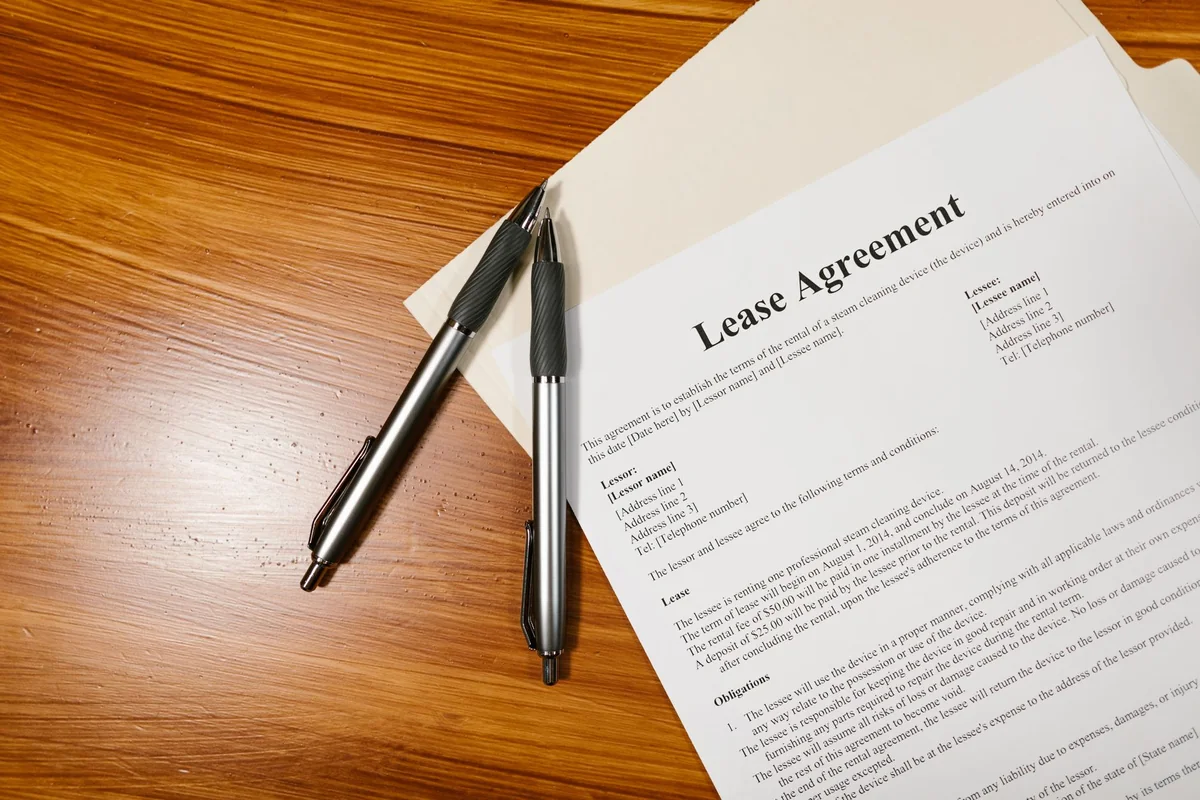
Iowa requires most sellers to give the buyer a written property condition disclosure statement, a duty set out in Iowa Code Chapter 558A. A leased solar system belongs on it, and so does the contract behind it: that the panels are leased and not owned, the monthly payment, the years left on the term, any transfer requirements, and any UCC-1 fixture filing recorded against the property. If there is a buyout number, note that too.
The mindset that keeps sellers out of trouble is simple. Leaving the lease off the disclosure does not make it disappear. It just guarantees the buyer's title work turns it up later, at the worst possible moment, once everyone has money and time in the deal. Put it on the page up front.
There is a practical upside to disclosing early, too. A cash buyer told from the start, panels are leased, here is the payment, here is the buyout, prices from reality and does not need to renegotiate later. Surprises at the closing table kill deals. A straight disclosure keeps everyone pointed the same direction.
The bottom line
Selling a house with leased solar panels in Iowa is not a dead end, it is a myth you have to drop first: the panels on your roof are not automatically yours, and a lease is a contract the buyer has to be willing to sign for. Owned panels add value. A leased system is a condition item, closer to a lien than to an upgrade, and it should be handled that way. Your moves are to have the buyer assume the lease, buy it out so the title is clean, or sell the house as-is to a cash buyer who can absorb the contract. Whatever you choose, pull your exact transfer and buyout terms from the solar provider, and put the lease on your Iowa disclosure.
If you want the honest math on your specific house, panels and all, tell me about it and I'll send a fair, no-obligation cash offer within 24 hours, with no lease for you to untangle and no fee. I buy houses across the Des Moines metro and the rest of Iowa, and if assuming or buying out the lease and listing is your smarter move, I'll tell you that too. If it's a fit, this is where I buy houses across the state.
Selling a house with leased solar panels: FAQ
Can you sell a house with leased solar panels?
Yes. You can sell a house with leased solar panels, but the lease travels with the house and has to be dealt with. Because the solar company owns the panels, not you, the buyer usually has to qualify to assume the lease or PPA, or you buy the contract out before or at closing. A UCC-1 fixture filing from the solar company can also cloud your title until it is resolved. The panels do not stop the sale, but the contract behind them shapes who can buy and how.
Do leased solar panels add value to a home?
Usually not, and often the reverse. Owned, paid-off panels generally add value because the buyer gets lower power bills for free. Leased panels and PPAs tend to deter buyers, because the buyer inherits a monthly payment and a long contract they did not choose, and a lender may flag the UCC-1 filing tied to the equipment. A well-fitting lease with a buyer who wants the panels can be neutral, but leased solar is far more likely to narrow your buyer pool than to raise your price.
What happens to a solar lease when you sell your house?
It does not just vanish at closing. You have three basic paths: the buyer qualifies and assumes the lease or PPA, you pay the buyout to end the contract so the panels convey clean or are removed, or you sell the house as-is to a cash buyer who takes the lease on. Your specific agreement sets the transfer rules and the buyout amount, so get those exact terms from your solar provider before you list.
Do I have to disclose leased solar panels when selling a house in Iowa?
Yes. Iowa requires most sellers to give the buyer a written property condition disclosure, and a leased solar system belongs on it: that the panels are leased rather than owned, the monthly payment, the years left, any transfer requirements, and any UCC-1 fixture filing recorded against the property. Selling as-is does not erase the duty to disclose. Putting the lease on the form up front also keeps the buyer's title work from blowing up the deal later.
Can a cash buyer take over my solar lease?
Often, yes. A cash or investor buyer can usually navigate a lease assumption or a buyout because there is no mortgage lender setting conditions and no underwriter reacting to the UCC-1 filing. The cash buyer prices the lease into the offer, either taking over the payments or handling the buyout, which is why a lease that stalls a financed sale is frequently less of a problem for a cash purchase. You typically trade a lower price for that certainty and speed.