Selling a House With Unpaid HOA Dues in Iowa
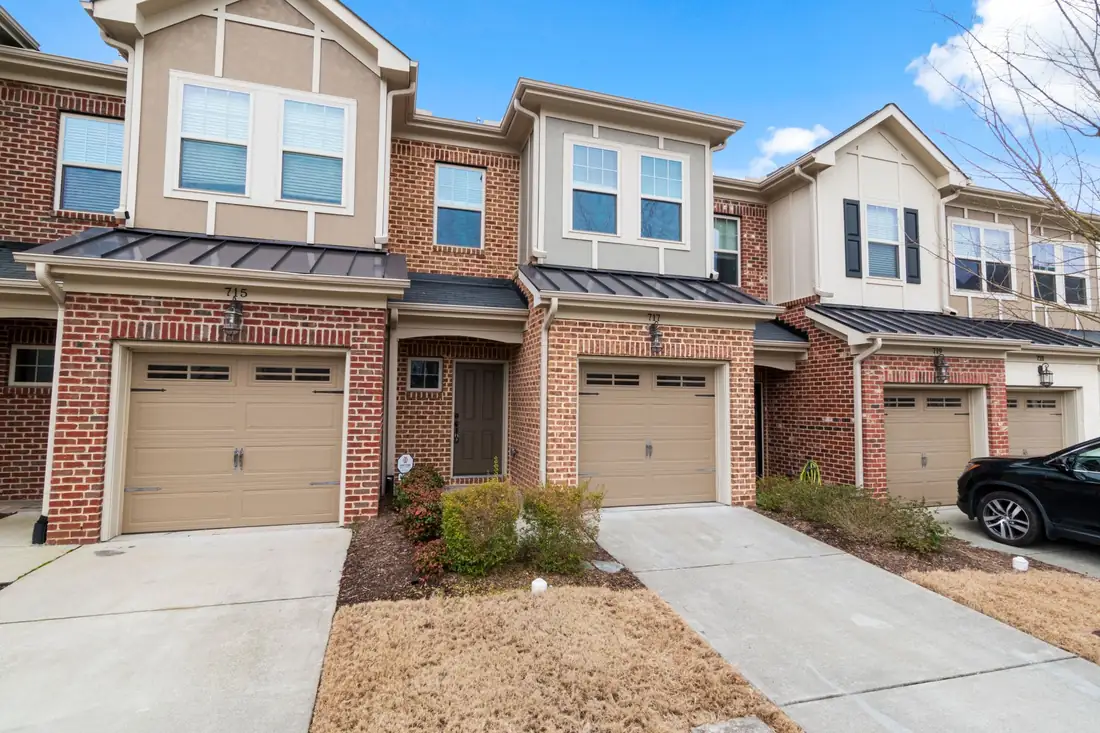
Unpaid HOA dues don't disappear at closing. They ride along on the title. Picture the certified letter from the management company sitting on the counter next to the keys you were about to hand a buyer: a running balance, a stack of late fees, a line about attorney costs. You figured the missed payments were a nuisance you'd square up eventually. Instead they quietly attached themselves to the house. Selling a house with unpaid HOA dues is less about the dues themselves and more about the lien they can create on your property, the one a title company finds long before your buyer ever does.
Here's the honest version. In most Iowa condos, townhome communities, and planned subdivisions, the association's governing documents (the declaration, or CC&Rs) say that unpaid dues and special assessments automatically become a lien against your unit or lot. That lien rides with the property until it is paid, which in practice means it gets settled out of your proceeds at closing so the buyer can take clear title. The association can also pursue collection, and in some cases foreclose. It is a curable, pay-at-closing problem, not a dealbreaker.
Every month the dues sit unpaid, the association's ledger grows, late fees stack on top, and collection or attorney costs can get bolted on, and that fuller number is what your closing has to satisfy before the deed changes hands. So the real work is not panicking about the balance. It is getting the exact figure in writing and lining up a sale that can absorb it.

What an HOA lien actually is
An HOA lien is a legal claim the association has against your specific property for money you owe it. When you bought into a condo, townhome, or planned community, you agreed to a set of governing documents, the declaration and the CC&Rs. Buried in those is language that says unpaid assessments become a lien on your unit or lot. That is not the HOA being aggressive. It is the deal you accepted at closing, the same way a mortgage is a lien you agreed to when you borrowed.
In a lot of Iowa associations that lien is automatic: the moment dues go unpaid, the claim exists, whether or not anything gets recorded at the courthouse. Many associations go a step further and record a formal notice of lien in the county records, which makes it show up loud and clear on a title search. Either way, the key point is that the debt is tied to the house, not just to you personally. It follows the property.
(The part that catches sellers off guard: it is not only the back dues. A special assessment for a new roof on the building, or fines for that trailer you left in the driveway, can ride in the same lien. The number on the HOA's books is often bigger than the dues you remember skipping.)
Because the claim attaches to the property, it becomes a title problem the second you try to sell. A buyer's lender, and the title company, will not let clean title pass with an open association lien sitting on it. If liens on a sale are new territory for you, I wrote a broader walk-through on selling a house with a lien on it in Iowa that covers the general mechanics.
HOA lien vs mortgage, tax, and judgment liens
Not all liens are the same animal, and sellers lump them together to their own confusion. An HOA lien comes from your association for unpaid dues and assessments. It is real, but it usually sits behind other claims in priority, and it lives or dies on your community's declaration and state law. That is different from the heavy hitters people think of first.
| Lien type | Who put it there | What clears it |
|---|---|---|
| HOA / condo lien | Your association, for unpaid dues, fines, or special assessments | Pay the association's payoff figure, usually at closing |
| Mortgage lien | Your lender, when you financed the home | Pay off the loan balance from proceeds |
| Property tax lien | The county, for unpaid property taxes | Pay the county what is owed, typically first in line |
| Judgment lien | A creditor who sued and won a court judgment | Satisfy or settle the judgment |
The reason this matters: the fix depends on the source. Paying your mortgage does nothing for an HOA balance, and clearing an HOA balance does nothing for a tax lien. Each one has its own payoff and its own paperwork. If your title search turns up more than one, that is genuinely a title-cleanup job, and it is worth reading how a messy title gets untangled in selling a house with title problems in Iowa.
An HOA lien is smaller and quieter than a mortgage, so people ignore it. Then they get to the closing table and learn the "quiet" lien is the exact thing standing between them and a signed deed.
What the HOA can do to collect, including foreclose
Associations are not powerless, and it helps to know the tools they actually have. Most start gentle: a reminder, then a late fee, then a formal demand letter from a management company or an attorney. Interest and collection costs can pile on as the balance ages. If you keep ignoring it, the association can sue you personally for the money, the same as any creditor chasing a debt.
The heavier tool is foreclosure. Depending on the declaration and Iowa law, an association can, in some cases, foreclose its lien on the property to force payment, similar in concept to how a lender forecloses a mortgage. It is slower and far less common than a bank foreclosure, but it is a real remedy, and it is exactly why you do not want to let an HOA balance sit for years assuming nothing will happen. The federal Consumer Financial Protection Bureau explains how a lien works in plain terms if you want the background.
Iowa's condominium and planned-community associations operate under state law that governs how these liens are created and enforced. Rather than trust a number you half-remember, it is smart to confirm the specifics with a title company or attorney and, if you want the source, you can browse the statutes at the Iowa Legislature's official code site. And if you are already worried about a mortgage on top of the dues, know that the two clocks can run at once, which is a very different level of urgency.
(One aside from six years of doing this: the associations that move fastest to collect tend to be the well-run condo and townhome boards with a professional manager. A loose, volunteer-run neighborhood HOA might let a balance drift for a long time. Neither is a reason to ignore it, but it does shape how much time you realistically have.)

Get the estoppel or dues payoff statement in writing
Here is the single most useful move you can make: ask the association for a written payoff. Depending on your community it might be called an estoppel certificate, a dues payoff letter, or a statement of account. Whatever the name, it lists exactly what you owe as of a given date: back dues, late fees, fines, interest, and any special assessments, itemized.
You want this early, for a few reasons:
- It sets the real number. The balance in your head is almost always low. The estoppel is what the title company will actually use to clear the lien.
- It catches surprises. A special assessment you forgot about, or fines you dispute, show up here while there is still time to sort them out.
- It has a date on it. These figures are good only through a certain day. If your closing slips, you may need a fresh one, so do not order it too early either.
If the balance looks wrong, this is the moment to push back, in writing, before closing. Ask the association to itemize anything you do not recognize. Disputes over fines are far easier to resolve now than after a title company is holding your proceeds waiting on a clean payoff. A closing attorney or title company does this dance constantly and can tell you which line items are legitimate and which are worth contesting.
How unpaid HOA dues get cleared at closing
For most sellers, this is the reassuring part. You almost never write a separate check to the HOA out of pocket. The balance comes off the top of your sale, the same way your mortgage payoff does. Here is the usual sequence:
- The title company runs a search and finds the HOA lien (or the unpaid balance the association reports).
- They request the estoppel payoff from the association and confirm the exact figure through the closing date.
- At closing, that amount is deducted from your proceeds and sent to the HOA.
- The lien is released and the buyer takes clear title. You net your sale price minus the mortgage, the HOA payoff, and normal closing costs.
Remember that Iowa is an abstract state. Instead of title insurance, closings here run on a physical abstract of title that gets updated and examined by an attorney before the deal closes. That examination is exactly where an HOA lien surfaces, and clearing it is part of getting the abstract to show marketable title. It adds a few days and it routinely trips up out-of-state sellers, which is one more reason to work with people who close in Iowa every week.
The catch is when the payoff is bigger than your equity. If you owe more on the mortgage and the HOA than the house will sell for, closing gets complicated, and it is worth reading the honest version of selling a house when you owe more than it's worth in Iowa. In that spot, the number the HOA reports is not just paperwork, it changes whether a normal sale even pencils out.
Why a cash buyer can close and clear it fast
When the dues have piled up, the association is getting loud, and you just want the whole thing gone, a cash sale is often the cleanest exit. The reason is speed and simplicity. There is no mortgage lender waiting on an appraisal or underwriting, so the deal moves at the pace of the title work instead of a bank's calendar. A cash sale can close in as little as seven days once the abstract is clear.
The HOA balance is handled the same way it would be in any sale: the title company pulls the estoppel payoff and settles it from the proceeds at closing. Nothing magical happens to the debt, it still gets paid, it just gets paid faster and without a lender's timeline stacked on top of the association's pressure. If the house also needs work you cannot or do not want to do, a cash buyer taking it as-is in Iowa means you are not fixing anything on your way out the door either.
How the offer is built is straightforward, and there is no secret to it: after-repair value, minus the cost of repairs, minus the costs of the sale, minus a fair margin. The HOA payoff is not baked into that offer, it comes out of your proceeds at closing like any lien, so you always know the offer is on the house itself. I will also tell you honestly if a cash sale is not your best move. If listing nets you more even after the dues, I will say so. No harm, no foul, I am just one more option. You can read more about how I work or see the full how it works steps first.
I have bought over 100 homes across Iowa in six years, plenty of them tangled up in liens, back taxes, or association balances that scared off retail buyers. That untangling is genuinely the job, and it is worth running the numbers on a cash offer before you assume the dues have you cornered.
The bottom line
Unpaid HOA dues are a curable, pay-at-closing problem, not the end of your sale. In most Iowa condos, townhomes, and planned communities the dues become a lien on the property automatically, the association can pursue collection and in some cases foreclose, and the balance rides with the title until it is settled. The move is not to panic. It is to request the estoppel payoff in writing, have a title company or attorney confirm it, and pick a sale that can absorb the number out of your proceeds.
If the balance is bigger than you expected or the association is already pushing hard, that is exactly the situation I buy in. Tell me what the HOA says you owe and I will give you a straight read on your options, including the ones that are not selling to me. Request a free, no-pressure cash offer or call 515-216-0652 and we'll talk it through.
Selling a house with unpaid HOA dues: FAQ
Do unpaid HOA dues create a lien on my house?
In most cases, yes. The association's governing documents, the declaration or CC&Rs you agreed to when you bought, usually say that unpaid dues and special assessments automatically become a lien against your unit or lot. Some associations also record a formal notice of lien in the county records. Either way, the balance is tied to the property, not just to you personally, so it follows the title until it is paid.
Who pays unpaid HOA dues when a house sells?
The unpaid balance is almost always paid out of the seller's proceeds at closing. The title company or closing attorney requests a payoff figure from the HOA, deducts it from what you would have received, and sends it to the association so the buyer takes clear title. You do not usually write a separate check, the money simply comes off the top of your sale.
Can an HOA foreclose on my house in Iowa for unpaid dues?
It is possible. When dues go unpaid, an Iowa association can pursue collection, and depending on its declaration and state law, it may be able to foreclose the lien on the property. That is a slower and less common route than a mortgage foreclosure, but it is real, which is why you do not want to ignore the balance. Confirm your specific situation with a title company or attorney.
What is an HOA estoppel or dues payoff statement?
It is a written statement from the association, sometimes called an estoppel certificate or a dues payoff letter, that lists exactly what you owe: back dues, late fees, fines, and any special assessments, as of a given date. Your title company relies on this figure to clear the balance at closing. Request it early, because a stale or wrong number can hold up your sale.
Can I sell a house with unpaid HOA dues to a cash buyer?
Yes, and it is a common reason Iowa sellers call us. A cash buyer can close quickly and clear the HOA balance straight from the sale proceeds, the same as any other sale, without waiting on a mortgage lender. We buy as-is, factor the payoff into a fair offer, and let the title company settle the lien at closing so the deal actually closes.