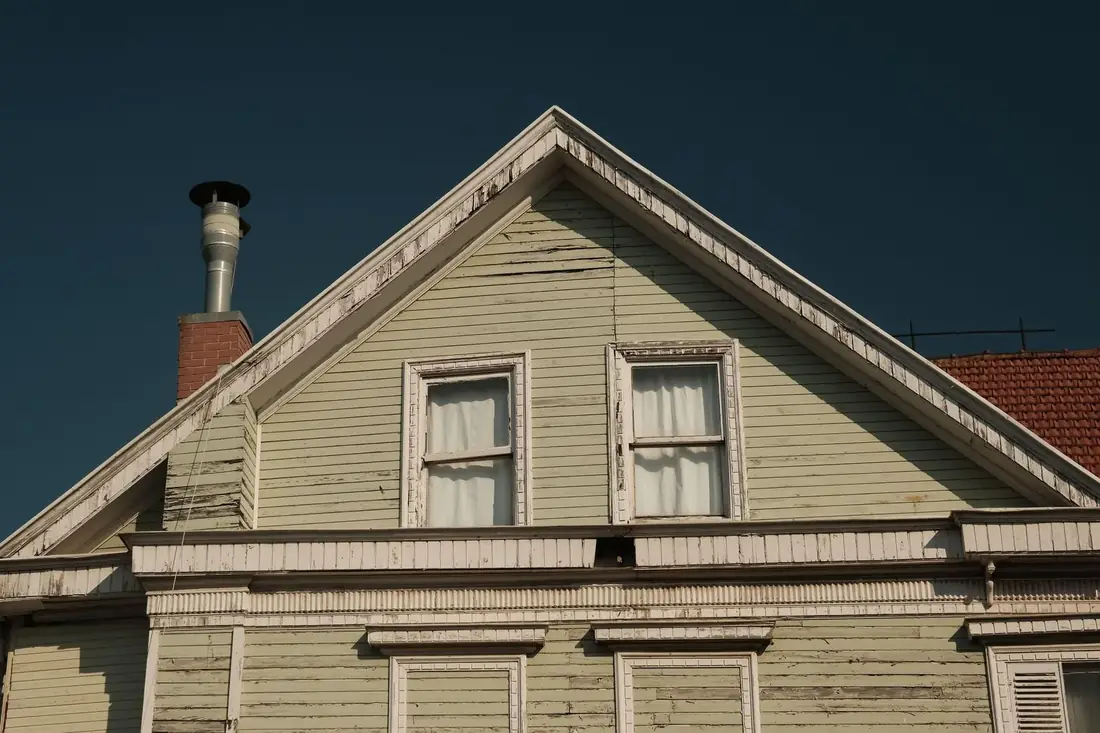
Selling a fixer-upper in Iowa
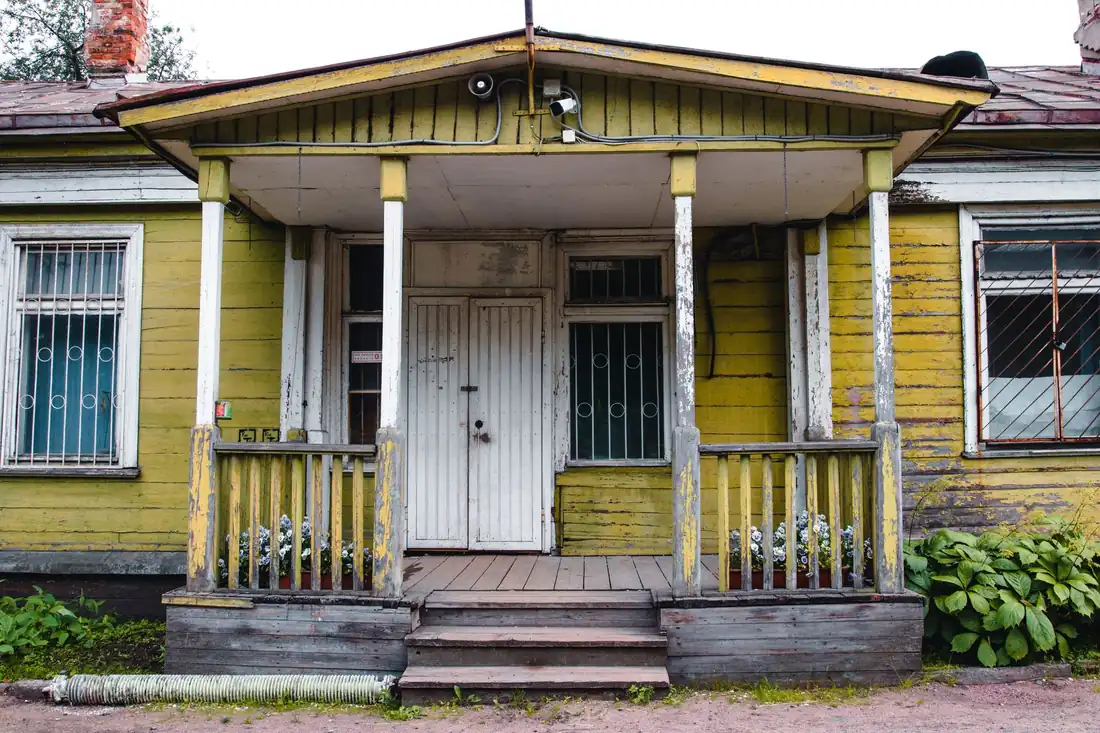
Everybody wants the after photo. The granite, the fresh paint, the yard that belongs in a listing. Almost nobody wants to buy the before photo, the water-stained ceiling and the carpet you would not walk on barefoot, and then live through the middle part where it slowly becomes the after. That middle part, the months of dust and contractors and decisions, is what you are really selling when you are selling a fixer-upper in Iowa. Not a finished house. The work it still needs, and the only question is who you hand that work to.
Here is the honest version. A fixer-upper will sell. Houses in rough shape change hands in this state every week. Condition does not decide whether it sells, it decides who can buy it, how long it takes, and how much of your own cash goes in first. Three very different buyers are circling your house. Figure out which one you are selling to and the process stops feeling like a coin flip.
Condition decides your buyer, and your buyer decides your price and your timeline. Everything below is about matching the house you actually have to the person most likely to write a fair check for it.
What actually counts as a fixer-upper
"Fixer-upper" is a loose term that covers a huge range, and where your house lands on it decides almost everything that follows. Think of it as a spectrum.
- Cosmetic tired. Dated kitchen, worn carpet, scuffed paint, an avocado bathroom. Everything works. It just looks old.
- Deferred and dinged up. A soft spot in a floor, a leaky window, a deck that needs tearing off, a roof near the end of its life. Livable, but the to-do list is piling up.
- Major systems or structure. A failed roof, a cracked foundation, a dead furnace, old wiring, water damage, or mold. The stuff that keeps a buyer from moving in and a bank from lending.
The line that matters to a buyer is simple: can a normal family move in and live safely while fixing things slowly, or does the house need work before anyone can live in it or a lender will touch it? My first flip, at about twenty, was the worst house on a block next to Ames High. I cleaned it out myself, including picking up hundreds of needles in the yard before the real work started. That was not cosmetic tired. It was a project in every sense, and nobody with a mortgage was buying it the way it sat.
The three buyers looking at your house
When your house needs work, you are not selling to one market. You are selling to three, and they could not be more different.
The retail buyer who wants turnkey. This is most of the market. They want to move in and hang pictures, not run a renovation, and they tend to subtract far more than the repairs actually cost. On anything past light cosmetic, this buyer keeps scrolling.
The financed buyer whose lender flinches. Plenty of buyers love a fixer-upper on paper because the price is lower. But most need a mortgage, and the loan does not care about their enthusiasm. An FHA loan in particular holds the house to condition standards, and the appraiser works for the lender, not the buyer. A house that fails those standards does not close. More on that next.
The investor or cash buyer. This buyer expects the work. They walk in doing repair math, they do not get emotional about the carpet, and they pay cash, so there is no lender to satisfy. They pay less than a renovated house would fetch, because they take on the risk and the rehab, but they can actually close. For a heavy fixer-upper, they are often the only buyer at the table.
Why a fixer-upper scares financed buyers and appraisers
This quietly kills more fixer-upper deals than anything else. A buyer using a mortgage is not one decision-maker. They are three: the buyer, the lender, and the appraiser. All three have to get comfortable with your house, and the last two get nervous about condition fast.
Unrepaired damage makes appraisers flag a house, especially anything touching the roof, structure, safety, or working systems. The appraisal can come back "subject to repairs," and the loan will not close until that work is done. Government-backed loans are the strictest. The FHA program sets minimum property requirements through HUD, and the Consumer Financial Protection Bureau explains what an appraisal checks before a lender will fund. Peeling paint on an older home, a missing handrail, a dead furnace, a leaking roof: any one can stop a financed deal cold.
So the buyer who loved your price comes back asking you to make the repairs first, escrow money, or renegotiate. Sometimes they just walk. That is not the buyer being difficult. It is the lender protecting its collateral.
A financed buyer is only as flexible as their appraiser lets them be. You can love each other at the showing and still get stopped dead by a line item on an inspection report.
Should you fix it first? The math
Every seller with a rough house eventually asks the same thing: should I just fix it before I sell? Sometimes yes. Often no. The answer lives in the gap between cosmetic work and real repairs.
Light cosmetic work usually pays. Fresh paint, a deep clean, new carpet, a little decluttering. It is cheap relative to how much it lifts the price and how many buyers it pulls in, and if that is all your house needs, listing with a good agent often nets you more even after roughly a 6% commission and about 2% in closing costs.
Partial repairs on a heavy house are where people lose money. You rarely get your dollars back on a half-finished rehab, because a retail buyer still sees a project and discounts anyway, while you have spent cash you will not recover. A full, done-right rehab can net more than selling as-is, but make no mistake, it is a real construction project: contractors, permits, carrying costs, overruns, and months of your time. I break the full comparison down in selling as-is vs fixing it up in Iowa, and here is how cash buyers calculate their offer.
| Fix it up fully, then list | Sell as-is for cash | |
|---|---|---|
| Who does the work | You, before closing | The buyer, after closing |
| Money out of pocket | High, you front the whole rehab | None, you fix nothing |
| Timeline | Months of work, then a listing | As fast as 7 days to close |
| Buyer pool | Wider, includes financed buyers | Cash buyers and investors |
| Who it fits | Cosmetic work, or cash and time to spare | Major repairs, tight timeline, or no appetite for a project |
There is no universally right answer here, only the one that matches your house and your life. The heavier the work, the more the as-is road tends to win.
Selling as-is to a cash buyer, and when a Realtor wins
A local cash buyer takes the whole lender problem off the table. No mortgage, no appraisal contingency, no third party calling your condition a dealbreaker. I can walk a house with a tarp on the roof, a wet basement, or a kitchen stripped to the studs and still make an offer, because I am buying the house, not asking a bank for permission. You sell it as it sits, and a cash sale can close in as little as seven days. One Iowa note: we are an abstract state, so instead of title insurance we use a physical abstract of title, attorney-examined before closing, which adds a few days and trips up out-of-state sellers.
This is genuinely the work I do. Over six years and 100-plus homes bought across Iowa, the houses that need thousands in work, the ones most agents will not even list because they are too rough, are the ones I look for. Leave the junk. We will handle it.
Here is the part a pushy buyer never says out loud. If your house only needs light cosmetic work and you have the time, a Realtor sale will likely net you more than I can offer, even after commission. In that case, that is exactly what I will tell you. We will tell you if we are not a fit. No harm, no foul. You can see how my process runs and where I buy across Iowa, or read a bit about me first.
The bottom line
Selling a fixer-upper in Iowa is not about hiding the work. It is about matching the house to the right buyer and pricing the work honestly. A retail buyer wants turnkey, a financed buyer answers to a lender and an appraiser who flinch at condition, and a cash buyer expects the work and can close. Run the math before you fix anything, because partial repairs rarely pay back and a full rehab is a real project. If it needs a cosmetic refresh and you have time, list it. If it needs serious work and you want speed, sell as-is.
If you have a house that needs more work than you want to put into it, tell me about it and I will send a fair, no-obligation cash offer, repairs and all, with no commissions and nothing for you to fix. And if listing it is your smarter move, I will tell you that too.
Selling a fixer-upper: FAQ
What counts as a fixer-upper when selling in Iowa?
A fixer-upper is any house that needs more work than a typical move-in buyer wants to take on. That covers a wide range, from cosmetic tired, like dated kitchens, worn carpet, and peeling paint, to major problems, like a bad roof, a cracked foundation, a dead furnace, old wiring, or water and mold damage. The line that matters to buyers and lenders is whether a normal family can move in and live safely while fixing things slowly, or whether the house needs work before anyone can live in it or a bank will lend on it. The heavier the work, the smaller the pool of buyers who will touch it.
Can I sell a fixer-upper that needs major repairs without fixing it first?
Yes. You can sell a house in any condition in Iowa without making a single repair. The catch is who will buy it. A financed buyer usually cannot, because their lender and appraiser balk at major unrepaired damage. An investor or cash buyer expects the work, prices for it, and can close fast. Selling as-is means you take a price that reflects the repairs, but you skip the contractors, the permits, the carrying costs, and the waiting. For a house that needs real money and time, that is often the cleaner path.
Why won't a financed buyer's lender approve my fixer-upper?
A mortgage buyer is really three parties: the buyer, the lender, and the appraiser. Lenders and appraisers get nervous about condition, especially anything touching the roof, structure, safety, or working systems. FHA loans in particular hold the house to minimum property standards, so a peeling-paint, no-handrail, bad-roof house can come back subject to repairs, and the loan will not close until the work is done. That pushes the buyer to ask you to fix it first, escrow money, or walk. It is the most common reason a fixer-upper deal with a financed buyer falls apart.
Should I fix up my house before selling or sell it as-is?
It depends on how much work the house needs, your time, and your cash. Light cosmetic work like paint, clean, and carpet usually does pay off, and a Realtor sale can net you more even after commission. But partial repairs on a heavy fixer-upper rarely return dollar for dollar, because a half-finished rehab still reads as a project to a retail buyer. A full rehab can net more, but it is a real construction project with overruns and delays. If the house needs major work and you want speed and certainty, selling as-is to a cash buyer is usually the better fit. I will look at your house and tell you honestly which one nets you more.