How to keep the house in a divorce in Iowa

In almost every divorce guide, the house is a problem to be solved: an asset to appraise, split, and sell so two people can stop being tied together. Sometimes it's the opposite. Sometimes the house is the one thing you refuse to let go of, the address with pencil marks climbing the door frame where the kids used to stand for the annual height check. Learning how to keep the house in a divorce is possible, and it usually comes down to two hard numbers: what it costs to buy out your ex, and whether you can carry the mortgage on one income.
You keep the house by buying out your ex's share of the equity and refinancing the loan into your name alone. In most Iowa cases the buyout is about half the equity. The refinance is the part that decides whether the whole plan holds together, because a lender has to approve you, by yourself, for a brand new mortgage.
The whole decision lives in the gap between the house you want and the payment one income can actually carry.
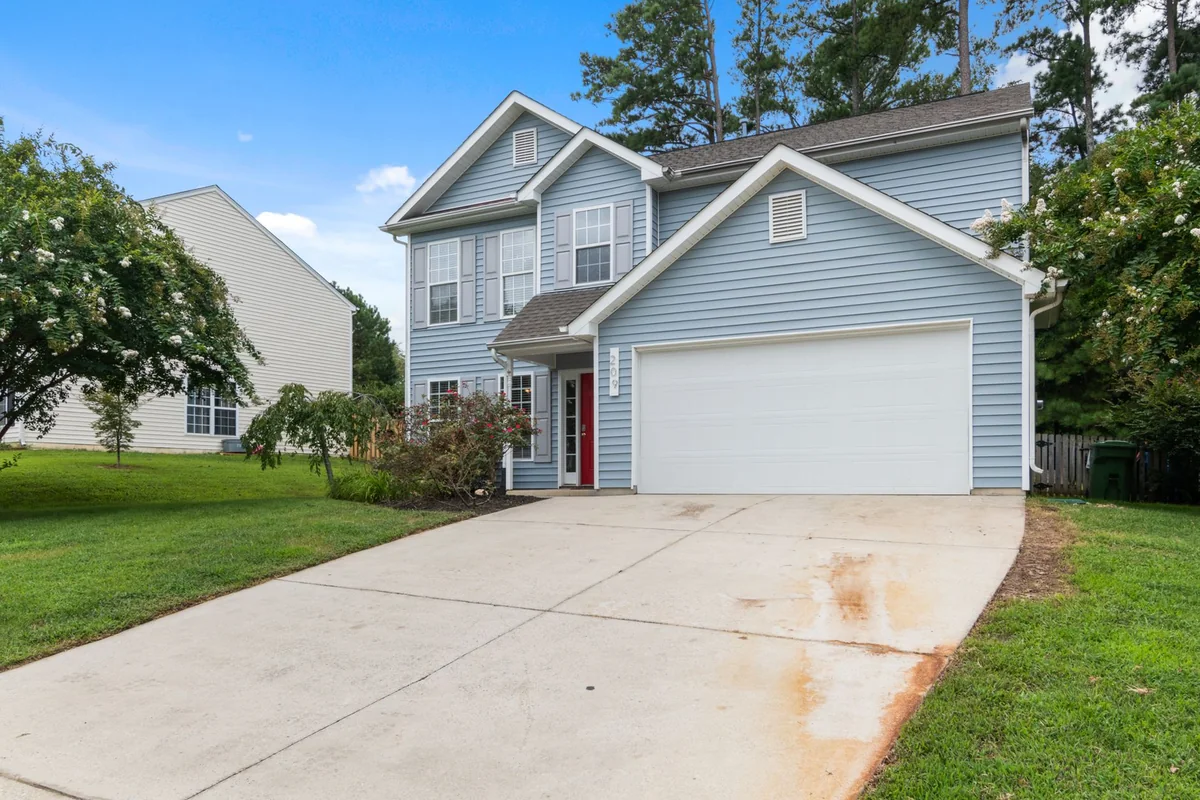
Can you actually keep the house?
Yes, if two things line up. First, you and your ex agree that you're the one who keeps it, or a judge orders it in the divorce decree. Second, you can afford it alone: the buyout and the mortgage on a single income. Iowa is an equitable-distribution state, which means marital property gets divided fairly, not automatically fifty-fifty. In practice the home's equity is usually split down the middle, but "fair" leaves room to negotiate, especially if one of you gives up a retirement account or takes on more of the debt to balance the scales.
A useful thing to know early: keeping the house is a financial decision wearing an emotional coat. The memories are real. So is the mortgage statement. The couples who navigate this well tend to separate the two, decide what they can afford, and only then decide what they want. Iowa's court system lays out how property gets divided in a dissolution of marriage, and your attorney is the right person to confirm the specifics of your case. (This article is information, not legal advice.)
I've watched people fight for a house they couldn't afford to keep, then spend a year house-poor and resentful. The address wasn't the problem. The math was.

The buyout: what you owe your ex
A buyout is you paying your ex for their share of the home's equity so they walk away and you stay. The math starts simple. Take the home's current value and subtract what you still owe on the mortgage. That's the equity. In most Iowa divorces, your ex is owed about half of it.
Say the house appraises at 300,000 dollars and you owe 180,000. The equity is 120,000, and your ex's half is roughly 60,000. That 60,000 is what you have to come up with to keep the house free of their claim. Most people don't have that sitting in a savings account, which is exactly why refinancing usually enters the picture: the new loan can pull cash out of the equity to fund the buyout. A word on that appraisal, though: get a real one. Zillow's estimate is a fine conversation starter and a terrible basis for handing someone tens of thousands of dollars.
The number that matters is what the house is worth today, not what you paid, not what you hope, and definitely not the Zestimate you screenshotted at 2 a.m.
Every dollar of that buyout is real money leaving your side of the table. If you're weighing it against a clean sale, our breakdown of who gets the house in an Iowa divorce walks through how the split gets decided in the first place.
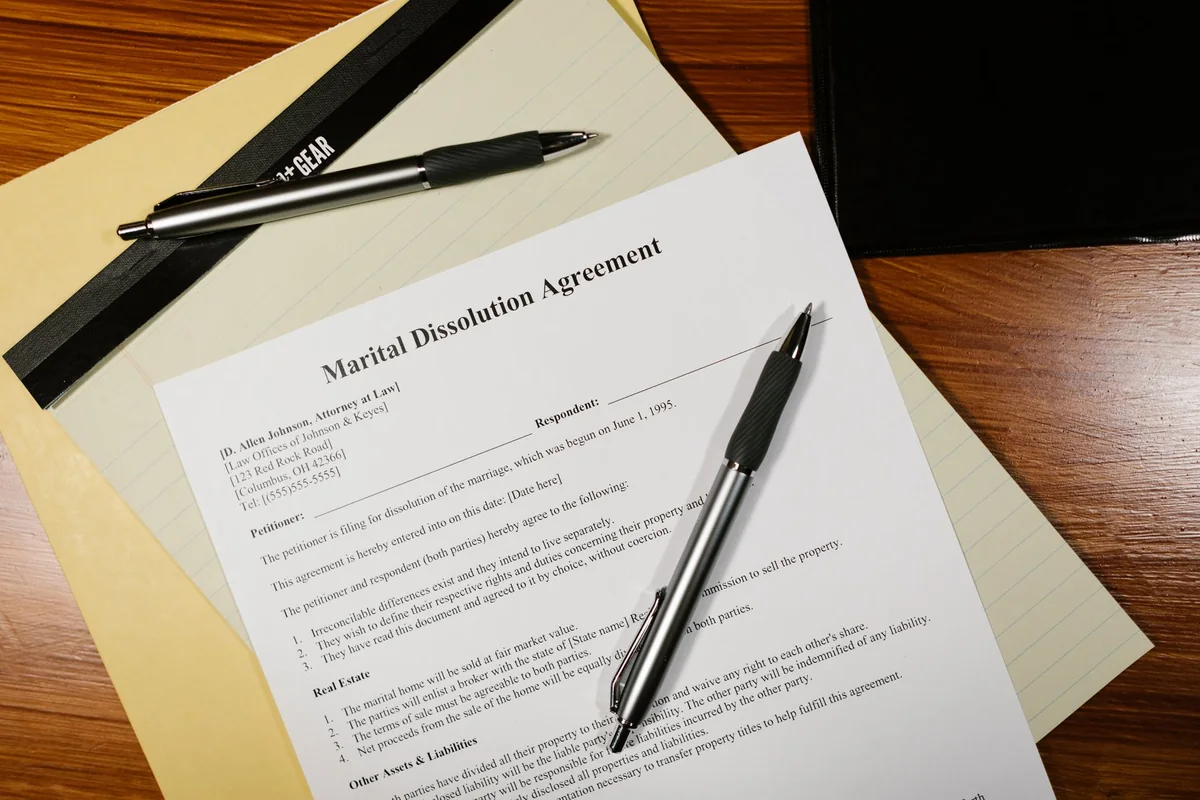
Refinancing to get their name off
Here's a trap people fall into: they think the divorce decree removes their ex from the mortgage. It doesn't. The decree is between the two of you. The mortgage is between both of you and the lender, and the lender was never at the table. Until you refinance the loan into your name alone, or sell the house, your ex stays legally responsible for that debt. Miss a payment and it hits both credit reports.
Refinancing does two jobs at once. It removes your ex from the loan, and a cash-out refinance can hand you the money to fund their buyout in the same closing. The Consumer Financial Protection Bureau has a plain-English rundown of how a cash-out refinance works that's worth ten minutes before you talk to a lender. The catch is that you have to qualify for the whole thing on your own, which brings us to the number that trips up more people than any other.

Can you qualify on one income?
This is where a lot of "I'm keeping the house" plans quietly fall apart. When you refinance, the lender approves you the same way they'd approve any new borrower: your verified income, your credit, your existing debts, and how the new payment fits against all of it. The problem is that the house was probably bought when two paychecks were covering it. Now one has to.
Lenders lean hard on your debt-to-income ratio, the slice of your monthly income eaten by debt payments. Add the full mortgage, plus taxes and insurance, plus the car and the credit cards, and see what's left. If it's tight, you have a few options:
- Bring a co-signer. A parent or family member on the loan can help you qualify, though they're now tied to your mortgage, which is a big ask.
- Wait. If a raise, spousal support, or child support is coming, some of that income can count toward qualifying once it's documented and stable.
- Buy out with less debt. Trade a bigger share of a retirement account for a smaller mortgage, so the payment you keep is one you can actually carry.
Wanting the house and qualifying for the house are two different conversations. The lender only cares about the second one.
If there's still a mortgage in play and you're trying to figure out your real options, selling a house that still has a mortgage is more straightforward than most people assume, and worth understanding before you commit either way.

When keeping it is a mistake, and selling wins
Keeping the house is the right call for plenty of people. For plenty of others, it's a slow-motion mistake they can feel coming. If the payment is a stretch on one income, if you can't qualify for the refinance, or if the buyout drains the savings you'll need to actually live, holding onto the address can cost more than it's worth. And there's the human side: a clean break sometimes matters more than the kitchen you remodeled.
Selling turns a shared, tangled asset into cash that two people can split and walk away from. Here's the honest comparison:
| Question | Keeping it | Selling it |
|---|---|---|
| Up-front cost | Fund the buyout, refinance, closing costs | None out of pocket; proceeds get split |
| Must qualify on one income? | Yes, for the full new mortgage | No |
| Ex off the loan? | Only after the refinance closes | Yes, at closing |
| Clean financial break | Slower, more moving parts | Fast, one closing, done |
If you both just want out, you don't have to list the house, stage it, and host strangers on a Sunday while you're already going through enough. A cash sale gives you one price and one closing, with the proceeds split however your decree says. That's the whole reason I buy houses across the Des Moines metro, Ames, Ankeny, and Polk County, and really anywhere in Iowa: to make the hard exits simple. Our guide to selling a house during a divorce in Iowa covers the timing and the logistics in more detail.
Nobody dreams of selling the family house. But two people, one clean check, and no more shared debt is a better Tuesday than a mortgage neither of you can quite afford.
The bottom line
Keeping the house in a divorce is doable, but it's a math problem before it's a heart problem. Get a real appraisal, figure the buyout at roughly half the equity, and find out early whether you can qualify for the refinance on one income. If the numbers work and the house is worth keeping, keep it. If they don't, selling and splitting the cash isn't a defeat, it's a clean start for both of you. Either way, know the numbers before you fight for the outcome. If a fast, no-drama sale is looking like the better path, tell me about the house and I'll give you a fair, no-obligation cash offer you can split clean. You can also learn a little about who you'd be working with first.
Keeping the house in a divorce: FAQ
How much does it cost to buy out my spouse's share of the house?
In most Iowa divorces, the buyout is about half of the home's equity, meaning its current value minus what you still owe on the mortgage. If the house appraises at 300,000 dollars and the loan balance is 180,000, the equity is 120,000 and your ex's half is roughly 60,000. Iowa divides marital property equitably, so your settlement can shift the exact split.
Do I have to refinance to keep the house in a divorce?
Usually yes, if there is a mortgage with both names on it. Refinancing removes your ex from the loan and often funds their buyout at the same time. A divorce decree can order the refinance, but the decree by itself does not remove anyone from the mortgage. Until you refinance or sell, both of you stay legally on the hook for the payment.
What if I can't qualify for the mortgage on my own income?
Then keeping the house gets hard. A lender has to approve you by yourself using your verified income, credit, and existing debts. Going from two incomes to one can push the numbers out of reach. Options include adding a co-signer, waiting until your income supports the loan, or selling and splitting the proceeds so you both start clean.
Is it better to keep the house or sell it in a divorce?
It depends on whether you can afford it alone and whether you want to. Keeping it makes sense when you can qualify for the refinance and the monthly cost fits one income comfortably. Selling often wins when the payment is a stretch, when neither person can buy the other out, or when a clean break matters more than the address.
Can we sell the house fast if we both just want out?
Yes. If neither spouse wants to keep the house or qualify alone, selling to a cash buyer gives you one price, one closing, and proceeds you split however the decree says, with no repairs, showings, or agent commissions to argue over. It is often the simplest way for two people to be financially done with each other.