Who gets the house in a divorce in Iowa?
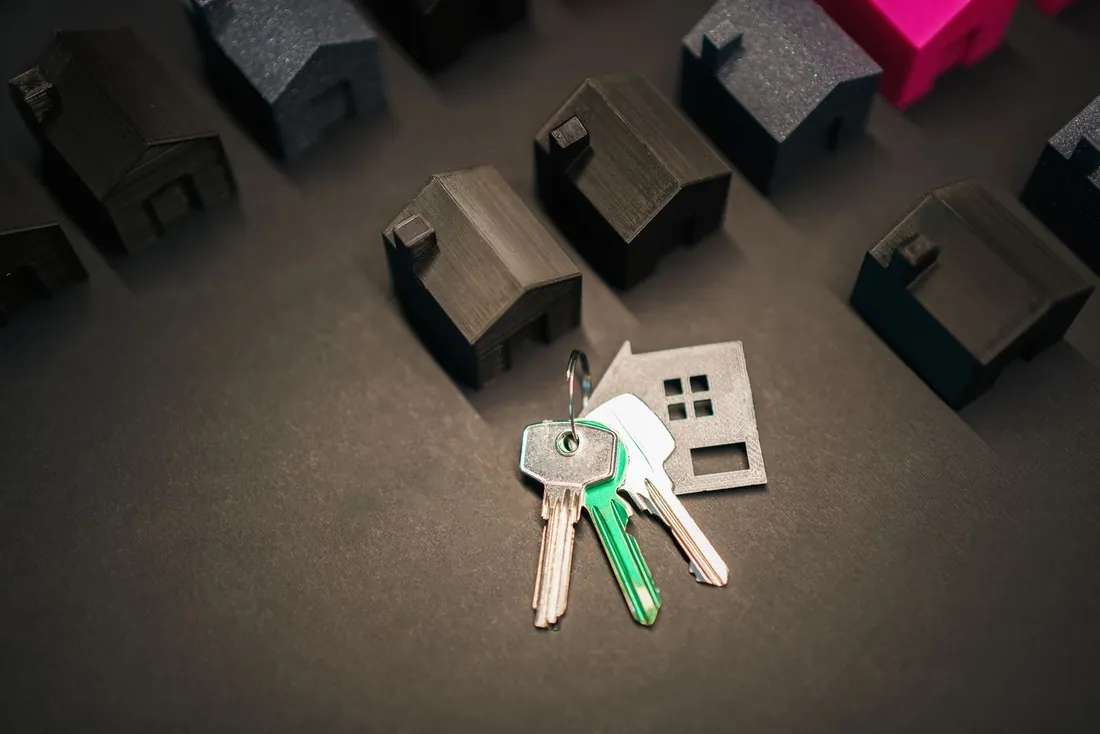
A bank account is easy to divide. You open a calculator, split the number in two, and everybody moves on with their day. The house is the asset that fights back. It shows up loaded with equity, a mortgage, fifteen years of memories, and two people who suddenly want very different things from the same three bedrooms. So when someone asks who gets the house in a divorce, they are really asking how to untangle the one thing that refuses to split down the middle. In Iowa, the honest answer is that it depends, and you have more say in it than it feels like tonight.
Iowa does not hand the house to either spouse automatically. It is an equitable-distribution state, which means the marital property gets divided fairly, not always exactly in half. In practice the house usually goes one of three ways: one spouse keeps it and buys out the other, you both sell it and split the proceeds, or you agree to co-own it for a set stretch of time. Which one fits comes down to equity, income, kids, and how badly each person wants to stay.
The hard part is rarely the law. It is that a house is equal parts money and memory, and dividing it means agreeing on a single number at the exact moment two people are least inclined to agree on anything.

How Iowa divides property (equitable distribution)
Iowa splits marital property under a rule called equitable distribution, spelled out in Iowa Code 598.21. Equitable means fair, and fair does not always mean fifty-fifty. A judge starts from the pile of marital property, everything the two of you built during the marriage, and divides it in a way that makes sense for your situation. Sometimes that lands right at half. Sometimes it tilts one way because of income, the length of the marriage, or who is raising the kids.
One thing trips people up more than any other: the difference between marital and separate property. Money and assets you brought into the marriage, or inherited, or received as a gift, can stay yours. But the line blurs fast. A house one spouse owned before the wedding can turn into shared property once both people are paying the mortgage, fixing the roof, and repainting the nursery for a decade. Iowa courts look at the whole picture, not just whose name is on the deed.
I tell people the same thing every time. The court is not trying to punish anyone. It is trying to land on a number that lets both of you start over without one person carrying the whole weight of a house neither of you can split with a saw.
Iowa is not a community-property state, so throw out the 50/50 assumption you picked up from a friend in California. Here the goal is fairness, judged case by case. The Iowa Judicial Branch has a plain-English overview of the dissolution process if you want to see how the paperwork actually flows.

So who actually gets the house?
Here is the part everyone wants first. Nobody gets the house automatically, not the husband, not the wife, not the person whose name is on the mortgage. Iowa judges award the home based on what is equitable, and they weigh a handful of real factors: who has primary physical custody of the children, whether either spouse can afford the mortgage alone, how much equity is in the home, and what each person contributed over the years.
The custody piece carries a lot of weight. If one parent has the kids most of the time, courts often lean toward letting them stay in the family home, at least temporarily, to keep the children's lives steady. That is not a guarantee, and it is usually balanced against the rest of the assets. Keep the house, and you might give up more of the retirement account to even things out.
There is also the affordability reality that no statute can override. A house takes two incomes to run, and running it on one is a different math problem entirely. I have watched people fight hard to keep a home, win it in the decree, then realize the mortgage, taxes, and a furnace on its last winter add up to a monthly number they cannot carry alone. Winning the house is not the same as being able to keep it.

Your options for the home (sell, buy-out, co-own)
Whether a judge decides or the two of you settle it yourselves, the house almost always goes down one of three roads. Here is the honest version of each.
| Option | How it works | Best when |
|---|---|---|
| Sell and split | You sell the home, pay off the mortgage, and divide what is left per the decree. | Neither spouse can afford it alone, or you both want a clean break. |
| Buy-out | One spouse refinances, pays the other their share of the equity, and keeps the house. | One person can qualify for the loan solo and truly wants to stay. |
| Co-own for now | You both keep ownership for a set window, often until the kids finish school, then sell. | Stability for children outweighs the hassle of staying financially tied. |
The buy-out sounds tidy, but it hinges on a refinance. The spouse keeping the house has to qualify for a new loan on one income and hand over real cash for the other's share of the equity. If the appraisal comes in high, that is a bigger check than people expect. Co-owning keeps the peace for the kids, but it also keeps two divorcing people financially handcuffed to the same asset, which works right up until someone wants to move on and the other is not ready.
My blunt take: co-ownership after a divorce is a bridge, not a destination. It can be the right call for a couple years while the kids settle. Just build the exit into the agreement now, while you are still talking, instead of relitigating it later when you are not.
If you want the deeper walkthrough on the sale route specifically, I wrote a companion piece on selling a house during a divorce in Iowa that gets into timing and title.

Why many couples just sell
When I sit down with divorcing homeowners, selling comes up more than the other two options combined, and for a simple reason. A house you both keep is a shared problem. A house you sell is a solved one. Once it closes, the mortgage is gone from both credit reports, the equity becomes a clean dollar figure, and neither of you has to text the other about a leaking water heater ever again.
Selling also sidesteps the trap of the buy-out. Not everyone can qualify for a refinance on one income, especially after a divorce shakes up the household budget. And even when someone can, draining savings to buy out a spouse right when you are rebuilding your life is a heavy way to start over. Splitting the proceeds lets both people walk away with a down payment for whatever comes next.
There is an emotional dividend too, and I do not want to undersell it. A neutral sale means the house stops being a scoreboard. It is no longer his or hers, no longer the thing to win. It becomes a number on a closing statement, and numbers are a lot easier to divide than a kitchen where you both remember the good years. The Consumer Financial Protection Bureau has solid, unbiased guidance on how a mortgage payoff works at closing if you want to understand exactly where the money goes.

Selling the house fast during a divorce
If you decide to sell, speed and simplicity matter more in a divorce than in almost any other sale. A traditional listing means repairs, showings, strangers walking through a house that already feels heavy, and 30 to 90 days of your not-quite-ex still being your co-owner. That is a long time to keep negotiating over paint colors and who waters the lawn.
This is where a cash sale earns its keep. Selling your house for cash in Iowa means no repairs, no cleanout, no open houses, and a close date you pick together. You take what has meaning to you, leave the rest, and split a clean check. Nobody fronts renovation money. Nobody manages a listing from a new apartment across town. I work with both spouses and, when needed, both attorneys, so the timing lines up with the decree instead of fighting it.
How does a fair cash number get set? It is not a lowball dartboard. The math is after-repair value minus the repairs the house needs minus selling and holding costs minus a reasonable margin. That is the honest framework, and I will walk you through it line by line so both of you can see where the number comes from. You can also read how I think about the Iowa areas I buy in, from Des Moines and Ankeny to Ames and the rest of Polk County.
One important note: I buy houses, I do not give legal advice. Everything here is general information about how Iowa handles the marital home, not a substitute for your own attorney. Loop your lawyer in on anything that touches the decree.
The bottom line
Nobody gets the house automatically in an Iowa divorce. The state divides property equitably, which means fairly, and the home usually ends up sold, bought out, or co-owned for a while. If keeping it works on one income, keep it. If it does not, or you both just want the cleanest possible break, selling turns a loaded, emotional asset into a simple number two people can split and move on from.
If the house is in Iowa and you would rather not deal with repairs, showings, and months of shared ownership, tell me about the property and I will send a fair, no-obligation cash offer you can divide clean. No pressure, no cleanout, and a timeline that works around your case, not against it. You can also learn more about how I work before you ever pick up the phone.
Who gets the house in a divorce: FAQ
Is Iowa a 50/50 divorce state?
No. Iowa is an equitable-distribution state, not a community-property state. Marital property is divided fairly based on the circumstances, which often lands near a 50/50 split but is not required to. A judge can weigh the length of the marriage, each spouse's income and contributions, and who has the kids.
Does the wife automatically get the house in an Iowa divorce?
No. Neither spouse is automatically awarded the house based on gender. Iowa courts divide property equitably. The parent with primary physical custody of minor children is sometimes allowed to stay in the home, at least temporarily, but that is one factor among many, not an automatic rule.
Can I be forced to sell the house in a divorce?
Yes, it can happen. If neither spouse can afford to keep the home alone, or the two of you cannot agree, a court can order the house sold and the proceeds divided. Many couples choose to sell on their own terms first to keep control of the timing and the price.
What happens to the mortgage when we divorce?
The mortgage stays in both names until the loan is paid off or refinanced, no matter what your divorce decree says. If one spouse keeps the house, they usually refinance to remove the other from the loan. If you sell, the mortgage is paid off at closing and both names come off.
Is it better to sell the house before or after the divorce?
It depends on your situation, but selling during the process is common because it turns the house into a clean number both sides can split. Selling as-is to a cash buyer can close in days, which helps when you want the asset settled before the decree is final. Ask your attorney what fits your case.