Inheriting a house that's paid off in Iowa: now what?
Nobody calls a lawyer to complain that the mortgage was already paid off. That part feels like the one clean break in a hard week: no bank, no monthly payment, a house that's fully yours. The grumbling starts later. Inheriting a house that is paid off still hands you property taxes that never take a year off, an insurance policy that gets twitchy the second the place sits empty, and a roof that, at the worst possible moment, develops strong opinions about the weather. Paid off is a great start. It is not the finish line, and this is the part nobody warned you about.
Here's the honest version. A paid-off inherited house means you own real equity with no loan attached, which is genuinely good news. But you still owe property taxes, insurance, utilities, and upkeep starting the day the house is yours, you usually still have to clear the title through probate before you can sell it, and the clock on those carrying costs runs whether you've made a decision or not.
The number that matters isn't the price on Zillow. It's how much this house quietly costs you every month you own it and haven't decided what to do with it.
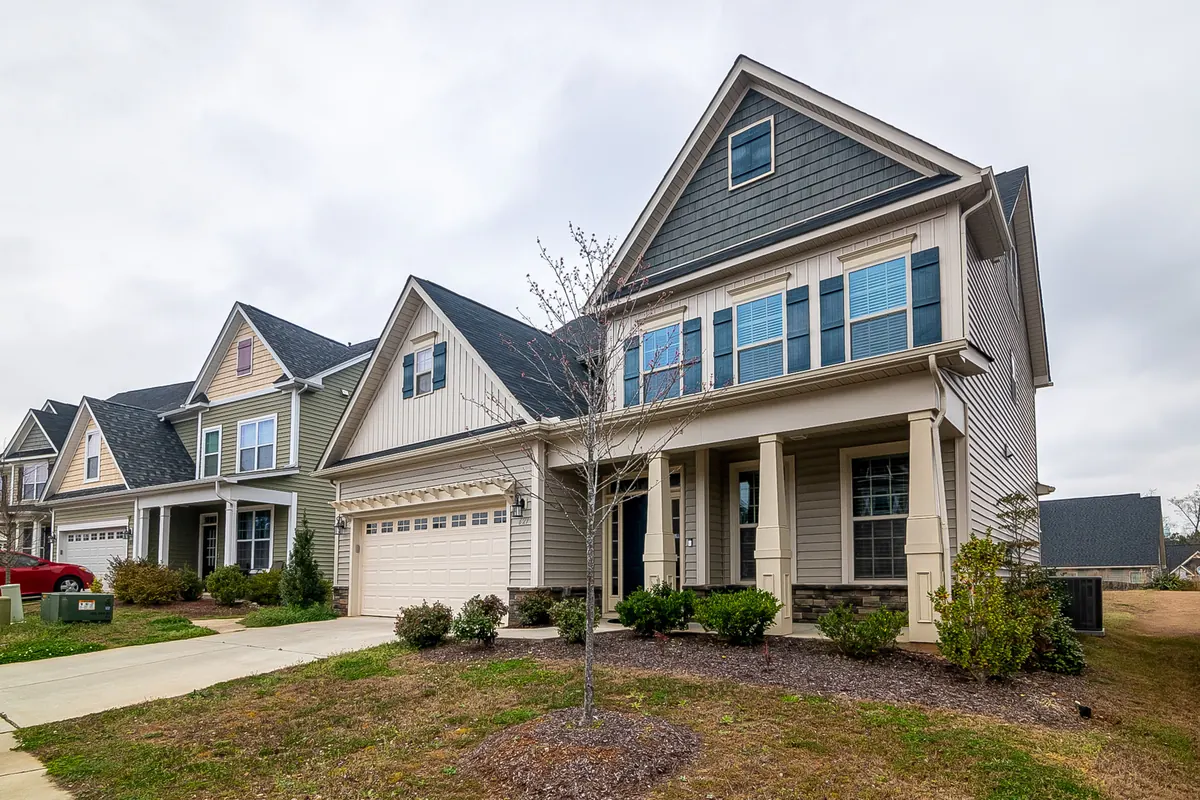
A paid-off house isn't a free house
The word "paid off" does a lot of quiet lying. It sounds like the house is done costing money, when really it just stopped costing one specific kind of money, the mortgage. Everything else is still on the meter. A house is a machine made of shingles, pipes, a furnace, and a water heater, and every one of those parts is aging on a schedule whether anyone lives there or not.
Here's the reframe that helps: a paid-off inherited house is an asset that also happens to be an expense. The equity is real and it's yours. But until you decide what to do, the house is a small business you now run, one with taxes, an insurance premium, utility bills, and a maintenance budget, and no revenue coming in the door.
Every empty inherited house I've walked into was costing the family money the whole time it sat there. Nobody notices because there's no monthly payment, so the bleed is invisible until you add it up.
None of that means keeping it is wrong. It means "it's paid off, so there's no rush" is the assumption that quietly costs people the most. If you're weighing this against a place that came with a loan attached, our guide on inheriting a house with debt in Iowa walks through the flip side.

What you're responsible for right away
Ownership isn't automatic the moment someone passes. The estate has to legally transfer the house into your name, and until that title clears, you can't sell it, refinance it, or fully control it. In most cases that transfer runs through probate, the court process that settles a person's estate and passes ownership to the heirs. A paid-off house doesn't skip probate just because there's no lender involved.
While that's happening, a short list of responsibilities lands on whoever is handling the estate:
- Property taxes. They keep coming due on the county's schedule, paid off or not.
- Insurance. The existing homeowners policy may not cover a house that's now sitting empty. This is a real trap, more on it below.
- Utilities and basics. Keeping heat on in an Iowa winter isn't optional if you want to avoid frozen pipes.
- Securing the place. An empty, unwatched house is a target. Locks, mail, lawn, all of it signals whether anyone is paying attention.
The aside worth saying out loud: nobody hands you a checklist for this. You're often sorting it during a hard month, from another town, while also being the person everyone calls. Iowa's court system outlines how estates move through the probate process, and an estate attorney is the right person to confirm exactly where you stand. If probate is the piece slowing you down, we cover it in detail in selling a house in probate in Iowa.

The ongoing costs that don't stop
This is the section that changes how people decide. Even a paid-off house has a monthly burn rate, and most heirs underestimate it because there's no big payment to anchor on. Add it up honestly and the number gets your attention.
| Ongoing cost | What it looks like |
|---|---|
| Property taxes | Owed to the county every year, forever, regardless of the mortgage. On an empty house, it's money out with nothing coming in. |
| Homeowners insurance | Still required to protect the asset, and often more expensive or harder to get once the house is vacant. |
| Utilities | Heat, water, and power to keep pipes from freezing and mold from setting in, even with no one living there. |
| Maintenance | Lawn, snow, a failing water heater, a roof leak. Deferred upkeep on a vacant house tends to snowball. |
Two Iowa-specific notes the national sites skip. First, the vacant-home insurance gap: many standard homeowners policies limit or void coverage once a house sits empty for 30 to 60 days, so an inherited house you leave untouched can quietly become uninsured right when a burst pipe or a break-in would hurt most. Call the insurer and ask about a vacant or unoccupied policy before you assume you're covered. Second, on taxes, Iowa fully repealed its state inheritance tax as of 2025, so most heirs no longer owe a state tax just to receive the house. You do still owe the ongoing property taxes for as long as you hold it.
People tell me the house is "free" because it's paid off. Then we add up a year of taxes, insurance, and utilities on an empty place and it's real money, spent to keep an asset nobody's using.
Which is exactly why the next decision matters. The longer the house sits undecided, the more that quiet burn rate eats into the equity you inherited.

Your options: keep, rent, or sell
Strip away the noise and you have three real choices. Every "what should I do" question is really a version of one of these.
| Option | Good when | The catch |
|---|---|---|
| Keep it | You want to live there, or a family member does, and the house is in decent shape. | You take on all the carrying costs and any repairs the house has been putting off. |
| Rent it out | You want monthly income and can handle being a landlord, or pay someone to. | Repairs, tenants, vacancies, and distance. Managing a rental two towns away is a real job. |
| Sell it | The house needs work, several heirs want their share, or you'd rather have cash than a project. | A traditional listing means prep, showings, and repairs. A cash sale trades top dollar for speed and no work. |
The honest aside: keeping a house for sentimental reasons is completely valid, and it's also the choice that costs the most if the house then sits empty and slowly declines. Renting sounds like easy income until the furnace dies in January and you're fielding the call from three hours away. Selling is the option people resist first and land on most, especially when the house needs a new roof and the group text has three opinions and zero volunteers to manage a renovation. If you decide to sell, our full walkthrough on how to sell an inherited house in Iowa covers the whole path.
Selling a paid-off inherited house fast
If selling is where you land, a paid-off house actually makes it simpler. There's no loan to pay off at closing, so once the estate has the authority to sell, more of the proceeds are yours to split. You've got two routes.
The traditional route: clean it out, make repairs, list it with an agent, and wait for a financed buyer. That can bring the highest price, but it also means prep work, showings, an inspection, and weeks or months of carrying that empty house, taxes and all, while you wait. The cash route: sell it as-is to a local buyer, take what has meaning to you, and leave everything else, the furniture, the decades of stuff in the basement, the appliance that quit in 2014. No repairs, no cleanout, no showings, and you pick the closing date.
How a fair cash offer actually gets built is no mystery. It's the after-repair value of the house, minus the repairs it needs, minus the costs of resale, minus a modest margin. That's it. There's no lowball spreadsheet, and a straight buyer will walk you through the math. If you want to sanity-check any offer, this breakdown of whether cash-buyer companies are legit shows how to spot the difference between a fair number and a ripoff.
With inherited houses, what families usually want isn't the last dollar. It's to be done, split it clean, and stop paying to hold a house nobody lives in. A cash sale is built for exactly that.
I work with all the heirs at once, make one fair offer, and can often close in one to three weeks because there's no lender and no repairs in the way. You can see the areas I cover on the where we buy page, from Des Moines and Ankeny to Ames and the rest of Polk County and beyond, or read more about who you're actually dealing with. One quick note: this is general information, not legal or tax advice. For your specific situation, on the stepped-up basis and capital gains especially, confirm with a tax professional or attorney.
The bottom line
A paid-off inherited house is a genuine gift, and it's also a responsibility that starts costing money the day it becomes yours. Clear the title through probate, get the insurance right before the house sits empty, add up the real monthly carrying cost, and then decide honestly whether you want to keep it, rent it, or sell it. There's no wrong answer, only the one that fits your family and the shape the house is in. If it's an Iowa house and you'd rather have a clean check than a project, tell me about the property and I'll give you a fair, no-obligation number you can split without lifting a hammer.
Inheriting a paid-off house: FAQ
If the house is already paid off, do I have to pay anything to inherit it?
There's no loan to assume, so you don't buy the house from anyone. But the estate still has to transfer title to you, usually through probate, and you take over property taxes, insurance, and upkeep from the day you own it. Those carrying costs start whether or not you've decided what to do with the place.
Do I still have to go through probate if there's no mortgage?
Usually yes. Probate is how a deceased person's estate legally passes ownership to the heirs, and a paid-off house still needs its title cleared and transferred before you can sell or refinance it. How long it takes depends on how the estate was set up. Your estate attorney is the right person to confirm your timeline.
What taxes will I owe on a paid-off inherited house in Iowa?
Iowa fully repealed its state inheritance tax as of 2025, so most heirs don't pay a tax just to receive the house. You will owe ongoing property taxes while you hold it. If you sell, inherited property usually gets a stepped-up cost basis, which can reduce or erase capital gains tax. Confirm the specifics with a tax professional or the IRS.
Is it better to rent out or sell an inherited paid-off house?
It depends on the house and on you. Renting turns equity into monthly income but makes you a landlord responsible for repairs, tenants, and vacancies, often from a distance. Selling turns the house into one clean check now. If the place needs work or several heirs want their share, selling is usually the simpler path.
How fast can I sell an inherited house that's paid off?
Once the estate has the authority to sell, a cash sale can often close in one to three weeks because there's no lender, no appraisal, and no repairs to negotiate. You pick the closing date, take what matters to you, and leave the rest. A traditional listing usually runs longer once you add prep, showings, and financing.