Selling a House With an IRS Tax Lien in Iowa

An IRS lien attaches to everything you own, and your house is the piece that can't hide. The bank balance you can spend down. The truck you can sell to a buddy for cash. The house just sits there on the county records with your name on it, in plain view, waiting. Then a certified envelope lands stamped Notice of Federal Tax Lien, or a title officer calls to say the search turned one up, and suddenly selling a house with an IRS tax lien feels less like a sale and more like asking the federal government for permission to move on with your life.
Here's the honest version: you can sell. A Notice of Federal Tax Lien does not freeze the deal or seize the property. It's a public claim securing what you owe in back income taxes, and it gets satisfied as part of closing, most often paid straight out of your sale proceeds. When the proceeds won't cover the whole balance, the IRS has a formal process to release the lien from the house so the deal can still close.
What trips people up is the paperwork clock, not the sale itself. The IRS runs on its own schedule, a discharge request can take weeks to approve, and the whole game is starting that process early enough that a stamped release is sitting on the closing table when the buyer's money shows up. Let's walk it from "what is this thing" to "keys handed over."
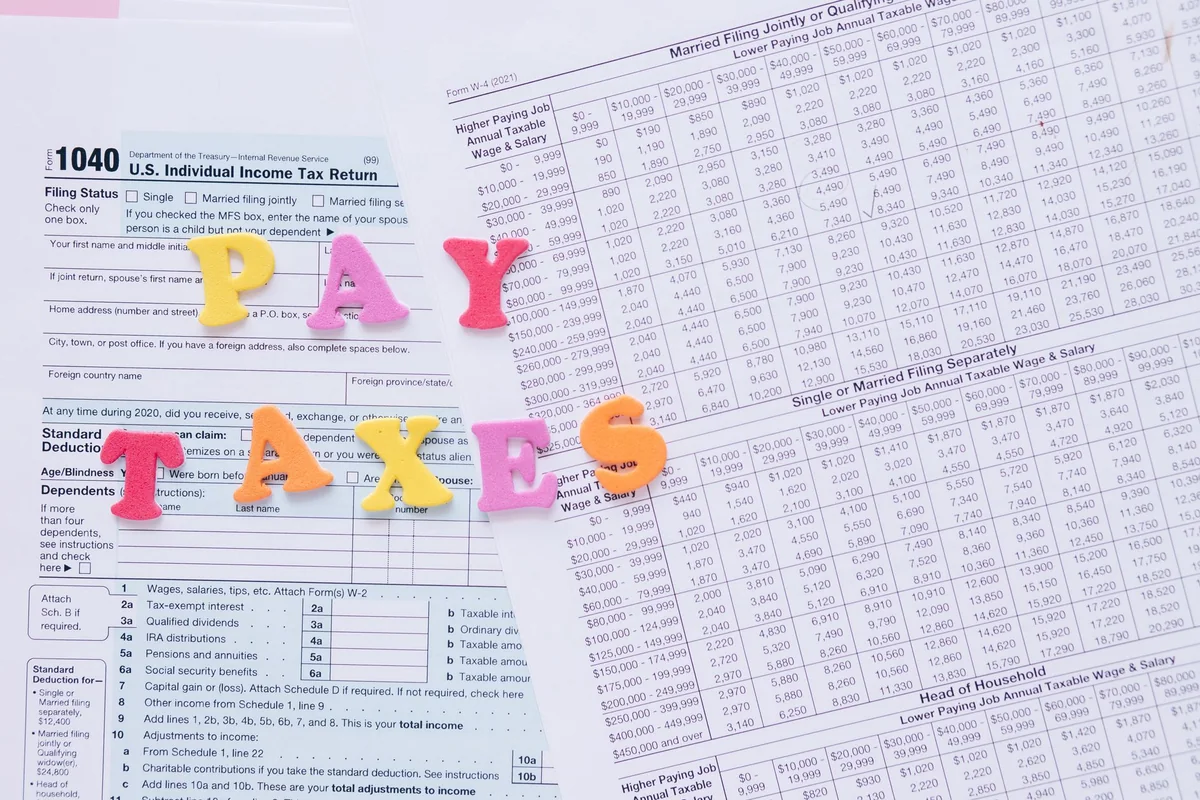
What a federal tax lien actually is
A federal tax lien is the government's legal claim against your property when you don't pay a tax debt, almost always unpaid income taxes. It kicks in quietly. The IRS assesses what you owe, sends a bill, and if it goes unpaid the lien exists by law from that point forward, whether or not anything is filed publicly.
The piece you actually run into is the Notice of Federal Tax Lien. That's the public document the IRS files to put creditors and the world on notice that it has a claim. Once it's filed, it shows up in the records a title company searches, which is exactly how most sellers learn theirs exists. The IRS explains the mechanics plainly on its own page about understanding a federal tax lien, and it's worth a read before you panic.
The key word in that first line is "everything." A federal lien doesn't attach only to the house. It attaches to your real estate, your vehicles, your accounts, and property you buy later while it's in force. The house just happens to be the asset with your name bolted to a public record, so it's the one that surfaces the second you try to sell.
Most sellers I meet didn't ignore a bill. They had a rough year, filed late, set up a payment plan, and life kept moving. The lien is a paperwork consequence, not a character verdict.

IRS lien vs. property taxes vs. a judgment lien
This is where a lot of advice online blurs together, and it matters, because each of these gets cleared a different way. Three things can all be called a "lien" and all show up on the same title search, but they come from three different places.
| What it is | Who it's owed to | How it clears at a sale |
|---|---|---|
| Federal tax lien (IRS) | The IRS, for unpaid income taxes | Paid from proceeds, or released with a Certificate of Discharge |
| Delinquent property taxes | Your Iowa county treasurer, for taxes on the house itself | Paid from proceeds; can lead to a county tax sale if left too long |
| Judgment lien | A creditor who won a lawsuit against you | Paid or negotiated down, then released by the creditor |
The distinction is not academic. If your real problem is county property taxes, the process, the office, and the deadlines are different, and our guide on selling a house with delinquent property taxes in Iowa walks that one. If the search turned up something older or messier that clouds ownership, that's title-cleanup territory, covered in selling a house with title problems in Iowa. And for the whole family of liens at once, from mechanic's to judgment, start with can you sell a house with a lien on it in Iowa.
The reason to nail down which one you have: a federal tax lien is the only one on that list handled through the IRS, with IRS forms and an IRS review window. Treat it like a county bill and you'll waste the weeks you don't have.

Can you sell a house with an IRS tax lien?
Yes, and it happens more often than the internet's worst-case forums would have you believe. The lien is a claim on the money, not a lock on the door. What it changes is that the IRS has to be satisfied, or agree to step aside, before the buyer can walk away with clean title.
There are really three ways that plays out, and which one you're in depends on one number, your equity:
- The proceeds cover the lien. Simplest case. The lien gets paid off at closing from your money and released. More on the mechanics in the next section.
- The proceeds don't cover it. You apply to the IRS for a Certificate of Discharge so the house sells free of the lien even though the full debt isn't paid. Covered below.
- You need the lien to move behind another interest. That's subordination, more common in a refinance but possible in a sale.
What you can't do is quietly sell around it. The buyer's title company will find it, every time, and no reputable closing goes through with a federal lien just ignored. That's not the obstacle it sounds like. It just means the fix happens out in the open, on the closing statement, where it belongs.

How the lien gets paid at closing
When you have enough equity, this is mostly plumbing, and the title company or closing attorney does the plumbing. Here's the order it runs in:
- The title search turns up the Notice of Federal Tax Lien.
- The closer requests an official payoff figure from the IRS, good through a specific date, including interest.
- That payoff is listed on your closing statement and subtracted from your proceeds.
- At closing, the lien is paid directly from the sale, and the IRS issues a release.
- The buyer takes clean title, and you keep whatever is left after the lien and normal closing costs.
In an ordinary sale you often never cut a separate check to the IRS. It comes out of the pile before you see it, the same way a mortgage payoff does. One Iowa wrinkle worth naming: Iowa is an abstract state, so instead of title insurance the closing runs on a physical abstract of title that gets updated and examined by an attorney before the deal closes. That examination is exactly what catches the lien, and it adds a few days, which is one more reason to start early. It also tends to trip up out-of-state buyers who have never seen an abstract, something I walk sellers through on the about page.
The honest catch: a payoff has a "good through" date. If the closing slips past it, the closer has to pull a fresh number, because interest keeps running. Not a crisis, just a reason not to let the deal drift.

When the sale won't cover it: discharge and subordination
This is the part that scares people off, and it shouldn't. If your equity won't pay the lien in full, the sale is not dead. The IRS built a process for exactly this, because it would rather see a house sell at fair value and collect what it can than have it sit.
The main tool is a Certificate of Discharge, requested on IRS Form 14135. A discharge removes the federal tax lien from that one specific property so it can be sold, even if the rest of your tax debt stays on the books. You're not erasing what you owe. You're getting the house released so it can change hands. The IRS lays out the whole scenario on its page for selling or refinancing when there is an IRS lien, and the instructions live in Publication 783.
A few things worth knowing before you file:
- You apply ahead of closing, and the IRS asks for time to review, so file as early as you can. This is the weeks-long step that sinks deals when it's left to the last minute.
- The IRS wants the sale to make sense: a fair price, a real buyer, and the available equity going toward the debt. It is not looking to give the house away, and it is not looking to block a legitimate sale.
- Subordination (IRS Form 14134) is the cousin of discharge. Instead of removing the lien, it lets another interest move ahead of it. It shows up more in refinances but can matter in a sale.
- Any balance the sale doesn't cover stays with you as a tax debt. The house is free, the debt follows you until it's resolved.
Because the dollars and deadlines are specific to your situation, this is the point to loop in a tax attorney or call the IRS directly. I can tell you how the sale side works, and I've closed plenty of them, but I won't play tax advisor on your exact numbers. If a cash sale isn't the right move for you, I'll say so, no harm done.

Selling fast to a cash buyer in Iowa
A cash sale doesn't make the IRS disappear. Nothing does. What it does is strip out the other party that usually gums up a lien sale: the buyer's lender. No mortgage means no appraisal, no underwriter piling conditions on top of the ones the IRS already has, and no financing that can fall through in week three and reset the whole clock.
That matters with a federal lien because timing is the enemy. A traditional Iowa sale runs roughly 30 to 60 days to a contract and another 30 to 45 to close, and every one of those days is a day the payoff figure and any discharge request are aging. A cash sale can close in as little as 7 days once the lien piece is handled, so the paperwork and the sale finish closer together instead of drifting apart.
Here's how I actually handle it. I make a fair, as-is offer with the lien already factored in, so nothing blows up at the table. My closer coordinates the payoff or the discharge request. And I buy in the messy situations most people avoid: back taxes, an empty house, a place that needs work a listing agent wouldn't touch. You can see the kinds of deals and the counties I work in on the where we buy page, or just request a cash offer and I'll look at the actual numbers with you. If you're weighing the tradeoffs generally, how it works lays out the steps.
No commissions, no repair bills, no open houses while you're already dealing with the IRS. One offer, one closing, and the lien handled in the open.
The bottom line
A federal tax lien attaches to everything, but it does not trap your house. You can sell a house with an IRS tax lien in Iowa. If your equity covers the balance, the lien is paid from proceeds at closing and released. If it doesn't, a Certificate of Discharge on Form 14135 lets the property sell free of the lien while the rest of the debt follows you. The one thing that actually bites is time, so start the payoff or discharge early and don't let the deal drift.
If you want the fastest, cleanest version of that, a cash sale takes the lender out of the equation and leaves only the IRS to satisfy. Tell me about your house or call 515-216-0652, and I'll give you an honest read on whether selling to me, or listing, or something else, is the right move. Bring a tax pro in on the debt itself, and let's get the house handled.
Selling a house with an IRS tax lien: FAQ
Can you sell a house with an IRS tax lien?
Yes. A Notice of Federal Tax Lien does not seize your house or block the sale. It is a public claim securing unpaid income taxes, and it gets satisfied as part of closing. In most sales the title company orders an official payoff from the IRS and pays the lien out of your proceeds, and the buyer takes clean title.
What is an IRS Certificate of Discharge (Form 14135)?
A Certificate of Discharge removes the federal tax lien from one specific piece of property so it can be sold free of the lien, even if the whole tax debt is not paid off. You apply on IRS Form 14135, usually well before closing, and the IRS reviews the sale and the numbers before it issues the discharge. It does not erase what you owe, it just releases the house.
What if the sale doesn't cover the full IRS tax lien?
You still have options. If the proceeds will not pay the lien in full, the IRS can grant a discharge that lets the property sell for its fair value with the available equity applied to the debt, or it can subordinate the lien to another interest. The rest of the balance stays with you as a tax debt, but the house can still change hands. Talk to a tax attorney or the IRS about your exact numbers.
Is a federal tax lien the same as delinquent property taxes?
No. A federal tax lien comes from the IRS for unpaid income taxes and attaches to everything you own. Delinquent property taxes are owed to your Iowa county for the house itself and can lead to a county tax sale. A judgment lien is different again, coming from a lawsuit. All three show up on the title search, but each is paid off and released through its own process.
Can a cash buyer close faster on a house with a federal tax lien?
Usually yes. A cash sale removes the lender and the appraisal, so there is no second party adding conditions on top of the IRS. The lien still has to be paid at closing or released by discharge, and the IRS keeps its own timeline, but a cash buyer who has handled liens before can line up the payoff or discharge paperwork and close as soon as the release is in hand.