Can you sell a house in foreclosure in Iowa?
Foreclosure paperwork has a quiet way of rearranging who you think owns your house. The notices stack up, the lender's attorney learns your address, and somewhere around the third envelope you start behaving like a house-sitter: mowing a lawn for somebody else, keeping the place tidy for whoever shows up to take it. So when people ask me can you sell a house in foreclosure, they're usually asking for permission they already have. It's still your house. Deed, keys, equity, all of it, right up until the sheriff's sale.
Yes, you can sell a house in foreclosure. Being behind on the mortgage does not transfer ownership, and it does not cancel your right to sell. Until a sheriff's sale actually happens and the property is auctioned off, you hold legal title, which means you can sell to a retail buyer, sell to a cash buyer, or sell to your cousin if he shows up with the money. The sale pays off the loan, the foreclosure stops, and anything left over is yours.
The right to sell and the time to sell are two different things. One you have automatically. The other you spend a little of every week you wait.
Yes, you can sell during foreclosure
Foreclosure is not a repossession. Nobody comes and takes the keys the day you miss a payment. What actually happens is slower and a lot more clerical: you fall behind, the lender mails a notice of default and right to cure (30 days in Iowa for a regular house), you don't cure it, and the lender files a lawsuit asking a judge for permission to sell your house to satisfy the debt. That lawsuit takes months. Iowa is a judicial foreclosure state, which is a formal way of saying the bank has to go stand in front of a judge and ask, on the record, in writing, with filing fees.
The entire time that's happening, you are still the owner. You can paint the kitchen, rent out the basement, or sell the place outright. The lender's claim is a lien on the property, not ownership of it. A lien gets paid off at closing like any other lien, the same way a second mortgage or a contractor's lien does. If you've read up on selling a house with a lien in Iowa, this is the same mechanic, just with more envelopes.
The bank doesn't want your house. It wants the money your house is sitting on top of. Give it the money and it goes away.
Most lenders will actually cooperate with a sale, because an auction is expensive and slow for them too. They pay the attorney, they pay the sheriff, they wait out a redemption period, and they often end up owning a house they have to maintain and resell. A voluntary sale skips all of it. The Consumer Financial Protection Bureau lays out your rights and your loss-mitigation options in plain English, and it's worth twenty minutes of your evening.
Your real deadline: the sheriff's sale
Here's the date that matters. After the lender wins its judgment, the sheriff schedules a sale, publishes notice for weeks, and then auctions your house. When the gavel drops, ownership moves to the winning bidder. That is the moment your right to sell ends. Not the notice of default, not the lawsuit, not the scary letter with the law firm's crest on it. The auction.
Everything before that is negotiable time, and Iowa builds in more of it than most states. Notice of the sale has to be published for weeks and posted at the courthouse, so you generally get about a month of warning on the exact date. And if you file a written demand for delay of sale, the sale can be pushed back six months, or three if the lender waives its deficiency judgment. National websites never mention this, because it's an Iowa Code quirk, and it can be the difference between a panicked sale and a calm one. Your attorney files it. The Iowa Judicial Branch publishes the court process and the forms.
Every homeowner I've met who lost the house lost it to the calendar, not to the bank.
So find the sale date, then work backward from it. A cash closing takes days. A listed sale takes 30 to 90 days when nothing goes wrong, and something usually goes wrong. If the auction is already three weeks out you're in a different conversation, and I wrote that one up in is it too late to stop a foreclosure in Iowa. If you're earlier than that, you have more moves than you think, and how to stop foreclosure in Iowa walks through all of them.
How the payoff works when you sell
This is the part that feels mysterious and isn't. When you sell, the title company orders a payoff quote from your lender. That quote is the full amount required to make the loan disappear: remaining principal, the missed payments, accrued interest, late fees, and the foreclosure costs the lender has run up so far (attorney fees, filing fees, title work). It is a bigger number than your loan balance. It also grows a little every month the case stays open, which is the most persuasive argument for moving early that I know of.
At closing, the buyer's money comes in, the title company pays the payoff first, then any other liens, then closing costs. Whatever is left is your check. The foreclosure case gets dismissed, because the debt it was built on no longer exists.
A payoff quote and a reinstatement quote are different animals. Reinstatement catches you up. Payoff makes the loan go away. When you're selling, you want the payoff.
Worth knowing: an as-is cash offer isn't a mystery number either. It's the after-repair value of the house, minus what the repairs actually cost, minus closing and holding costs, minus a margin. That's the whole formula. If someone won't show you that math, that tells you something about them, not about your house. I walk through the calculation on the about page, because I'd rather you understand an offer than just accept one.
What if you owe more than it's worth?
Then you're underwater, and you have two decent options instead of one. The first is a short sale: the lender agrees to take less than the full payoff and release the lien so the closing can happen. Lenders do approve these, because a short sale usually nets them more than an auction does. It's slower, it needs lender sign-off, and it takes a buyer patient enough to wait for that sign-off. The full comparison is in short sale vs foreclosure in Iowa.
The second option is covering the gap yourself, which is only realistic when the shortfall is small. Sometimes it's a few thousand dollars. A few thousand dollars is cheaper than a foreclosure sitting on your credit report for seven years.
Underwater by a little is a math problem. Underwater by a lot is a negotiation. Neither one is a reason to stop opening the mail.
Check one thing before you assume the worst: plenty of Iowa homeowners are less underwater than they think. Values around the Des Moines metro and Ames have moved, and the payoff people picture in their head is usually the balance from three years and a lot of principal payments ago. Get the real payoff quote and a real value on the house before you decide you have no equity. I've watched people walk away from twenty grand because nobody ever asked.
Selling fast before the sale date
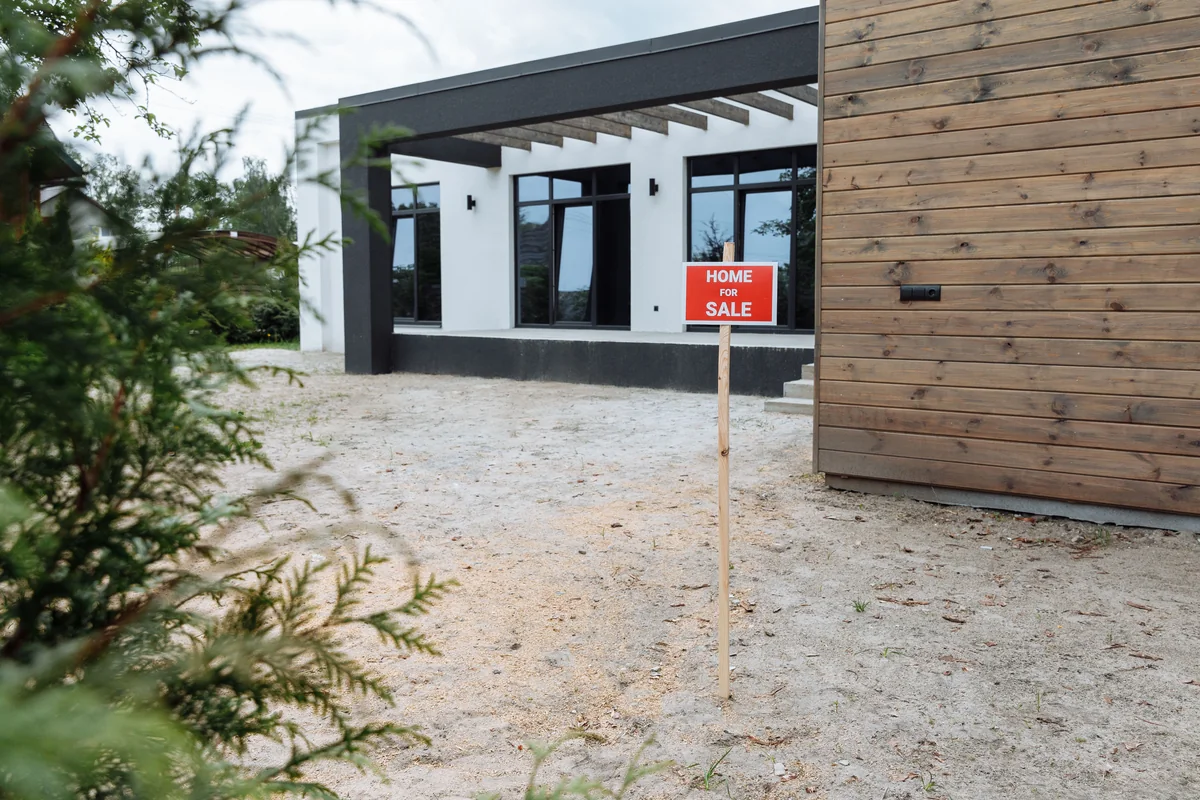
Once there's a sale date on the calendar, the question stops being how much and starts being how sure. A listing can absolutely get you a higher price. It can also sit for six weeks, go under contract with a financed buyer, and fall apart at the appraisal nine days before the auction. That's not a hypothetical. That's a Tuesday.
| Your options | Typical timeline | Risk before the sale date |
|---|---|---|
| List with an agent | 30–90 days, plus repairs and showings | Financing or the appraisal falls through and the clock keeps running |
| Sell as-is for cash | Often 7–14 days, no repairs | Low. No lender, no appraisal, no inspection contingency |
| Do nothing | The sheriff picks the date | You lose the house and any equity in it |
That's the honest trade. A cash sale is a certainty play, not a jackpot play. You take a number that reflects the house as it sits, and in exchange you get a closing date you can plan a move around. When the alternative is an auction that pays you nothing, certainty is worth real money.
The worst outcome in foreclosure isn't a lower price. It's a great price that doesn't close in time.
I buy houses across Iowa, mostly the Des Moines metro, Ankeny, West Des Moines, Urbandale, and Ames, and I've bought over a hundred of them in six years. Foreclosure files come with a deadline, so I keep it short: look at the house, show you the math, coordinate the payoff with your lender's attorney and the title company, close. No repairs, no cleanout, no showings while you're trying to hold everything else together. Here's where I buy in Iowa.
The bottom line
You can sell a house in foreclosure. You own it until the sheriff's sale, the lender's claim is a lien that gets paid at closing, and most lenders would rather you sell than make them auction it. The only real enemy is the calendar, and the only real mistake is waiting for the situation to improve on its own. It doesn't. It just adds fees.
One honest note: I buy houses, I'm not an attorney, and none of this is legal advice. If there's a case filed against you, talk to a foreclosure attorney about your specific situation, and read up on whether you need a foreclosure attorney in Iowa first.
If you have a sale date coming and you want to know what the house is actually worth to a cash buyer today, tell me about the property. I'll look at it, give you a fair number with the math attached, and if selling isn't your best move I'll tell you that too. Or call me at 515-216-0652 and we'll figure out how much runway you have left.
Selling a house in foreclosure: FAQ
Can you sell a house in foreclosure?
Yes. You still hold legal title to your house during foreclosure, so you can sell it any time before the sheriff's sale. The sale proceeds pay off the mortgage and the foreclosure stops. Once the auction happens, ownership transfers to the winning bidder and your right to sell ends.
How long do you have to sell your house before foreclosure in Iowa?
An uncontested Iowa foreclosure usually runs about five to eight months from the lender's first filing to the sheriff's sale, and you get roughly a month of published notice before the sale date itself. Filing a written demand for delay of sale can push the sale back six months, or three if the lender waives its deficiency judgment.
Does selling your house stop the foreclosure?
Yes, if the sale closes before the sheriff's sale and pays off what you owe. At closing the title company pays the lender's payoff quote first, the mortgage debt goes away, and the foreclosure case gets dismissed because there is no longer a debt to foreclose on.
Will my lender let me sell while I'm in foreclosure?
You don't need the lender's permission to sell a house you still own, as long as the sale pays off the loan in full. Most lenders cooperate anyway, since a voluntary sale saves them the cost and delay of an auction. You only need lender approval if you're doing a short sale for less than the payoff.
What if I owe more than the house is worth?
You have two options. A short sale, where the lender agrees to accept less than the full payoff and release the lien, or covering the shortfall yourself if it's small. Before assuming you're underwater, get an actual payoff quote and an actual value on the house, because many homeowners have more equity than they think.