How many missed payments before foreclosure in Iowa?

A single missed mortgage payment can feel like a trapdoor swinging open under your feet. One number you didn't hit, and suddenly you're picturing a sheriff at the door and your furniture on the lawn by Friday. Here's the calmer truth: that trapdoor isn't real, at least not yet. There's an actual, knowable sequence between a first late payment and losing the house, and understanding exactly how many missed payments before foreclosure it really takes is what turns the panic into a plan.
In Iowa, foreclosure does not start after one missed payment, or two, or three. Federal rules require most mortgage servicers to wait until you are more than 120 days behind, roughly four missed payments, before they can make the first official foreclosure filing. And because Iowa handles foreclosure through the courts, the lender then has to sue you, win, and hold a sheriff's sale on top of that. This is a slow-moving process by design.
The gap between your first late notice and an actual auction is measured in months, and almost every one of those months is a door you can still walk through. Let's walk the timeline in order, so you know where you stand and what you can do at each stage.

What happens after one missed payment
Miss one payment and the sky does not fall. Most lenders build in a grace period of about 10 to 15 days, and if you pay inside that window there's usually no penalty at all. Pay after it, and you'll get a late fee (often around 4% or 5% of the payment) and probably a friendly-but-firm phone call asking what's going on.
The bigger consequence at this stage is your credit. Once you cross 30 days past due, the lender can report the late payment to the credit bureaus, and that ding tends to grow the longer you stay behind. That's a real cost, but it is a cost, not a foreclosure. Nobody is filing anything against your house yet.
One missed payment is a pothole, not a cliff. It gets your servicer's attention, and that's the whole point: it's a signal to call them before payment number two.
If you know payment two is also going to be a problem, this is the cheapest possible moment to pick up the phone. Servicers have hardship programs, and they are far more flexible with someone who calls at day 20 than someone who has gone silent for three months. Curious what the later stages look like? Our guide on how to stop foreclosure in Iowa walks through every off-ramp in detail.

The 120-day rule before foreclosure can start
Here is the number that matters most. Federal mortgage servicing rules generally prohibit your servicer from making the first official foreclosure filing until your loan is more than 120 days delinquent. Because most mortgages are due monthly, 120 days works out to roughly four missed payments. The rule exists specifically to give you a window to apply for help before anyone goes to court. You can read the Consumer Financial Protection Bureau's explanation of the 120-day rule straight from the source.
What actually happens inside those 120 days? The notices escalate. After roughly 90 days behind, many lenders send a "demand letter" or "notice of intent to accelerate," which is the formal warning that they intend to call the full loan balance due if you don't catch up. It reads scary. It is scary. But it is still a warning shot, not the foreclosure itself.
So the honest answer to "how many missed payments before foreclosure" is: about four before it can legally begin, and then more time before it finishes. National articles usually stop at that 120-day number. In Iowa, the part they skip is where the real timeline lives.

Iowa's foreclosure timeline, step by step
Iowa is a judicial-foreclosure state. That means a lender can't just post a notice and auction your house; it has to file a lawsuit and get a judge to sign off. That extra machinery is bureaucratic, and for once bureaucracy works in your favor: it buys time. Here's the rough sequence once you're past the 120-day mark.
| Stage | What happens | Rough timing |
|---|---|---|
| Missed payments | Late fees, calls, credit reporting. No court action yet. | Days 1–120 |
| Notice of right to cure | Iowa requires the lender to send written notice giving you a set period (commonly 30 days) to catch up before they accelerate. | Around month 4 |
| Foreclosure petition filed | The lender sues in Iowa district court. You're served and have about 20 days to respond. | After the cure period |
| Judgment | If you don't cure or defend successfully, the court enters judgment and orders a sale. | Weeks to months later |
| Sheriff's sale | The house is sold at public auction to satisfy the debt. | Several weeks after judgment |
| Redemption period | In many Iowa foreclosures you can still redeem (buy back) the home for a period after the sale, unless that right was shortened or waived. | Up to one year, varies |
Add it up and a typical Iowa foreclosure runs several months to well over a year from the first missed payment. The exact clock depends on your loan, your county's court schedule, and whether the lender uses one of Iowa's alternative or shortened procedures. This is general information, not legal advice, so talk to an attorney about your specific case.
The reason I lay all of this out is simple. Every one of those stages is a place to act, and each one that passes takes an option off the table. If you think you've missed your chance entirely, read whether it's ever too late to stop foreclosure in Iowa before you assume the worst.

Where you still have options
Knowing the timeline is only useful if you know what to do with the time. The good news is that "behind on the mortgage" is one of the most solvable problems in real estate, and you have more moves than the panic suggests. The main ones:
- Reinstate the loan. Pay the past-due amount plus fees in one lump and the loan snaps back to current. This works right up until late in the process.
- Loan modification or repayment plan. The lender changes your terms or spreads the missed amount over future payments so you can actually keep up.
- Forbearance. A temporary pause or reduction in payments for a real, short-term hardship (a job loss, a medical bill, a divorce).
- Free HUD counseling. A HUD-approved housing counselor will look at your numbers with you at no charge. Start at the HUD avoiding-foreclosure resource.
- Sell before the sale. If keeping the house isn't realistic, selling it before the sheriff's sale lets you clear the loan and walk away with any equity instead of losing it.
Which path fits depends on one honest question: do you want to keep the house, or do you just want out from under it without wrecking your finances? There's no wrong answer, and the answer often changes once people see the real numbers. Speaking of numbers, the credit damage from a completed foreclosure is worse and longer-lasting than most people expect, which I broke down in how foreclosure affects your credit in Iowa.
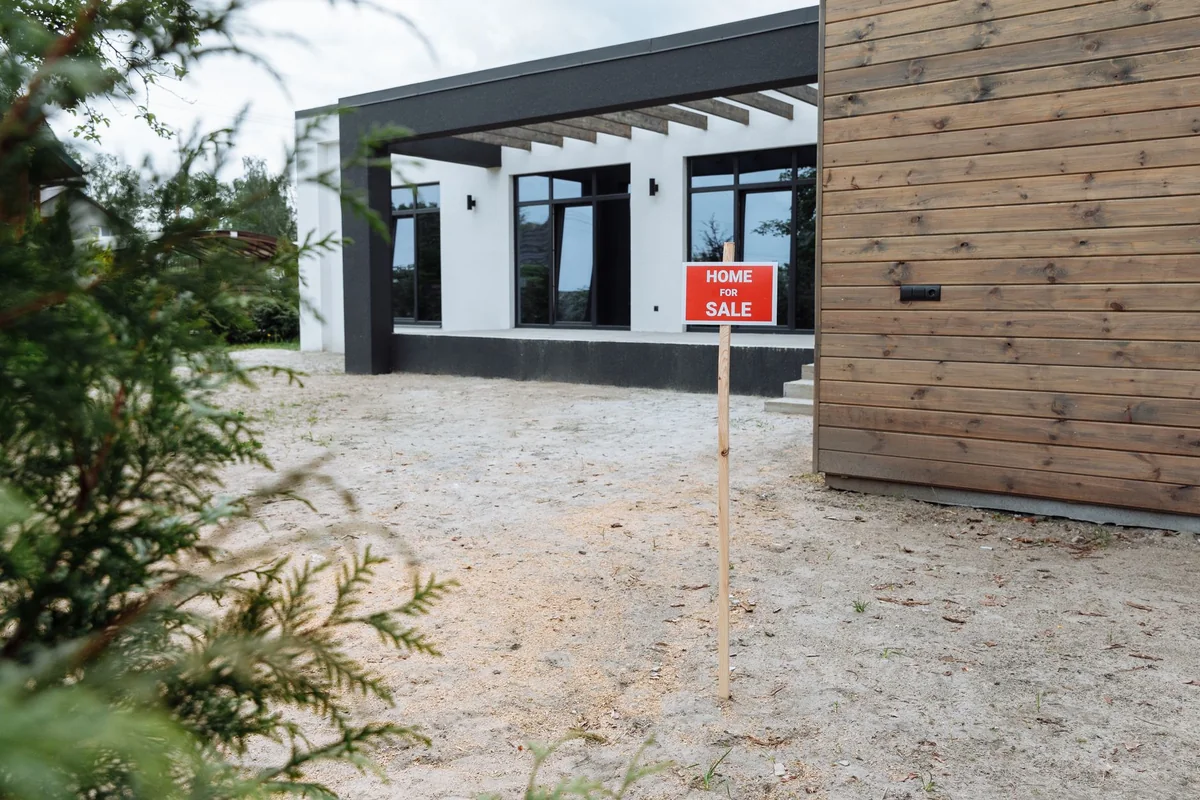
How a fast sale beats the timeline
If selling is the move, speed is the whole game, because foreclosure is a countdown and a normal listing runs on its own leisurely schedule. Between prep, showings, an inspection, and a buyer's mortgage approval, a traditional sale can take one to three months to close. If your sheriff's sale is six weeks out, that math doesn't work.
This is where a cash sale earns its keep. When I buy a house, there's no lender underwriting the buyer, so we can often close in a matter of days, well ahead of a sale date, and pay off your loan before the auction ever happens. You keep whatever equity sits above the payoff, which is money a completed foreclosure would have swallowed. You also sell as-is, so a leaky roof or a dated kitchen doesn't cost you repairs you can't afford right now.
The goal isn't just to stop the foreclosure. It's to end it with cash in your pocket and your credit intact, on a date you picked.
On price: I won't quote a number on a web page, because a fair offer depends on the actual house. The math is simple and I'll show it to you: I start from what the home is worth fixed up, subtract the repairs it needs, subtract the costs of the sale, and leave room for a modest margin. That's the number. You can see the areas I cover on the where we buy page, and if you want a real figure for your place, request a cash offer and I'll walk you through it line by line. No pressure, no obligation.
The bottom line
So, how many missed payments before foreclosure? About four before it can legally start in Iowa, and then a court process that stretches the real timeline into many months. That's not permission to ignore the mail. It's proof that you have more time and more options than the fear lets you believe. Call your servicer, talk to a HUD counselor, and figure out whether you want to keep the house or sell it clean.
If selling ahead of the clock is the right call, that's exactly what I do, one homeowner at a time, across Des Moines, Ankeny, Ames, and the rest of Iowa. Tell me about your situation and I'll give you a fair, no-obligation number, or just an honest opinion on your best next step. Get your cash offer here or call 515-216-0652, and let's get you ahead of the timeline instead of chasing it.
Missed payments and foreclosure: FAQ
How many missed payments before foreclosure can start?
Under federal rules, your servicer generally cannot make the first official foreclosure filing until you are more than 120 days past due, which for most loans means about four missed monthly payments. In Iowa the lender then has to file a lawsuit and win it, so the actual start of foreclosure lands well after that fourth missed payment.
Can I lose my house after just one missed payment?
No. One missed payment typically means a late fee and a phone call, not foreclosure. After about 30 days past due the late payment can be reported to the credit bureaus, but the legal foreclosure process cannot begin until you are 120 days behind.
How long does foreclosure take in Iowa?
Iowa is a judicial-foreclosure state, so the lender has to file a lawsuit, give you a right-to-cure notice, get a judgment, and hold a sheriff's sale. From the first missed payment to a sale, that usually takes many months, and there can be a redemption period after the sale on top of that.
Can I stop foreclosure after it has already started?
Often yes. Reinstating the loan by paying what you owe, a loan modification, a repayment plan, or selling the house before the sheriff's sale can all stop foreclosure. Options shrink as you get closer to the sale date, so acting early gives you the most room.
Does selling my house stop the foreclosure?
Yes, if you sell and pay off the loan before the sheriff's sale, the foreclosure ends and any equity above what you owe is yours. A cash sale is often the fastest way to beat the timeline because it can close in days rather than the weeks a traditional listing takes.