Can bankruptcy stop foreclosure in Iowa?

Bankruptcy comes with one button that feels close to magic. You file, and a foreclosure freezes in place the same day, scheduled auction and all. That single power is why homeowners with a sale date already set keep asking the same question. Can bankruptcy stop foreclosure in Iowa? It can. The part nobody puts on the flyer is that pressing that button costs more than people expect, and it is not always the best way to keep the house.
Here is the honest version. The moment you file, a court order called the automatic stay forces your lender to stop cold: no foreclosure sale, no collection calls, no locking you out. Chapter 13 can go further and let you catch up on the payments you missed. Chapter 7 usually just buys you a few months. Neither one is free, and neither one erases the mortgage.
So the honest question is not whether bankruptcy stops a foreclosure. It is whether the thing it buys you is worth what it costs, and whether a simpler move gets you there without the seven-year credit scar.
The automatic stay: how bankruptcy pauses foreclosure
The automatic stay is the whole reason bankruptcy shows up in foreclosure conversations at all. It is federal law, not a favor from your lender. The instant your case is filed, the stay tells every creditor to freeze. Your mortgage servicer has to cancel a scheduled sale, stop the phone calls, and wait. The federal courts lay this out in their bankruptcy basics, and the Consumer Financial Protection Bureau has a plain-English rundown of foreclosure worth a read too.
Speed is the part that surprises people. File at nine in the morning and a ten o'clock sheriff's sale is off. The attorney sends the case number to the parties involved and the sale simply evaporates. For someone who has been dodging certified mail for three months, that is a real exhale.
The stay is a genuine emergency brake. It is not a steering wheel. It stops the car. It does not decide where you are going, or whether you can afford the road.
That distinction matters, because the stay is temporary by design. It holds the line while the rest of your case, or the rest of your plan, decides what actually happens to the house. If you want the fuller playbook on beating a sale date, I wrote a whole guide on how to stop foreclosure in Iowa before the auction.

Chapter 7 vs. Chapter 13 for your home
People say "bankruptcy" like it is one thing. For a homeowner, the two chapters that matter behave almost opposite. Chapter 7 wipes out qualifying debts and closes fast. Chapter 13 sets up a court-supervised repayment plan over three to five years. The stay shows up in both, but only one of them hands you a way to actually keep the house.
| Chapter 7 | Chapter 13 | |
|---|---|---|
| What it does | Erases qualifying unsecured debt, closes in a few months | Repayment plan that spreads missed payments over 3 to 5 years |
| Effect on foreclosure | Pauses it while the case is open | Can stop it for good if you complete the plan |
| Lets you catch up? | No built-in way to cure the past-due balance | Yes, that is the entire point |
| Best when | You cannot keep the house and want a clean break | You have steady income and want to save the home |
Here is the shorthand. If your income can carry the regular mortgage payment plus a catch-up amount, Chapter 13 is the one designed to save a home. If the payment was never realistic to begin with, Chapter 7 mostly buys time before the same problem returns. A bankruptcy attorney will run your numbers, and honestly, that is money well spent before you file anything.
How long does it actually stop foreclosure?
This is where the magic-button feeling meets the fine print. With Chapter 7, the pause is often 30 to 90 days. Once the case moves along, the lender can ask to proceed, and unless you have made up the missed payments, the foreclosure picks back up. With Chapter 13, the stop can last for good, as long as you complete the repayment plan and keep making your regular payments the whole way through.
There is also a rule that trips up anyone who has filed before. If you had a bankruptcy case dismissed in the past year, the automatic stay may last only 30 days unless the court extends it. If you had two or more dismissed in the past year, the stay may not kick in at all. The system is built to stop foreclosure, not to let anyone file on a loop to dodge a sale forever.
So the honest timeline is: days of breathing room with Chapter 7, years of structured catch-up with Chapter 13, and nothing permanent unless you can carry the payment going forward. The stay buys time. It does not buy affordability.

The real costs and catches
Bankruptcy is a real tool, and for the right situation it is the right call. But it is worth seeing the whole price tag before you reach for it:
- Your credit takes a hit for years. A Chapter 7 can stay on your report for up to ten years, a Chapter 13 for seven. That follows you into future loans, rentals, and rates.
- It does not erase the mortgage. The debt on the house survives. If you cannot afford the loan, bankruptcy delays the foreclosure, it does not cancel it.
- The lender can ask to lift the stay. When there is no equity and no payments coming in, a servicer can petition the court to resume foreclosure, and courts often grant it.
- Chapter 7 can reach other assets. A trustee can sell non-exempt property to pay creditors. Iowa's homestead protection shields a lot of home equity, but the rules are specific, so get advice before you assume you are covered.
- Filing and attorney fees add up right when cash is tightest.
None of this makes bankruptcy a bad idea. It makes it a serious one. If your goal is simply to walk away from a house you can no longer afford, filing is a heavy, credit-scarring way to do something a sale can often do cleaner. If you are weighing your last-ditch options, my breakdown of a short sale vs. foreclosure in Iowa covers the other exits worth knowing.
Alternatives to bankruptcy, like selling first
Bankruptcy is not the only way to stop a foreclosure, and for a lot of homeowners it is not even the best one. Before you file, it is worth putting the simpler moves on the table:
- Reinstate the loan. If you can pull together the past-due amount plus fees, you can often bring the mortgage current and the foreclosure goes away, no filing required.
- Work it out with the servicer. Loan modifications, forbearance, and repayment plans exist specifically to keep people in their homes. Call before the sale date, not after.
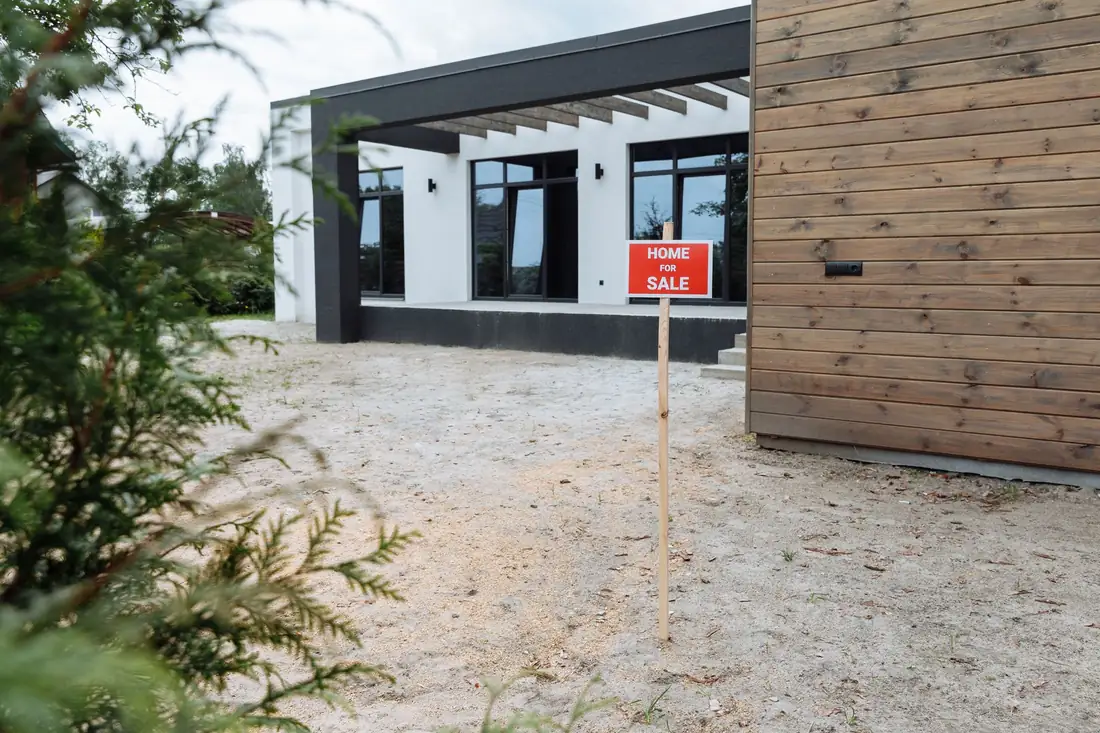
- Sell the house before the auction. This is the one people forget in a panic. If there is equity in the home, selling protects it and spares your credit the long scar a bankruptcy leaves.
That last one is where I come in. When a house has equity but the clock is short, a cash sale can close in as little as a week, which often beats a foreclosure sale to the finish line and puts the equity in your pocket instead of losing it. There is no cleanout, no repairs, and no listing. You can see exactly how it works, and it is a long way from a courtroom. I am a local Iowa buyer serving Des Moines, Ankeny, West Des Moines, Ames, and towns across the state, and you can read more about how I do this or check where I buy.
Bankruptcy stops the sale. Selling first can end the whole problem, and often keeps the equity that a foreclosure would swallow.
The bottom line
Can bankruptcy stop foreclosure in Iowa? Yes, and the automatic stay does it fast. Chapter 13 can even make it stick if your income can carry the plan. But the stay is a pause, not a cure, and the credit hit runs for years. If your real goal is to keep a home you can afford, talk to a bankruptcy attorney about Chapter 13. If your real goal is to get out from under a house before the sale date without wrecking your credit, selling first is usually the cleaner path. This is general information, not legal or financial advice, so confirm your situation with a qualified attorney or advisor before you act.
If the house is in Iowa and you would rather sell than file, tell me about the property and I will give you a fair, no-obligation cash number, fast enough to matter before the auction. No pressure, no cleanout, and no courtroom.
Bankruptcy and foreclosure in Iowa: FAQ
Does filing bankruptcy stop a foreclosure sale immediately?
Yes. The moment your case is filed, the automatic stay takes effect and your lender has to cancel a scheduled foreclosure sale, even one set for the next morning. It is a federal court order, not a request, so the servicer has to comply until the stay is lifted or the case ends.
Is Chapter 7 or Chapter 13 better for stopping foreclosure?
Chapter 13 is the one built to save a house. It lets you repay the past-due balance over three to five years while you keep making regular payments. Chapter 7 pauses the foreclosure but does not give you a way to catch up, so the lender can usually resume once the case moves along.
How long does bankruptcy stop foreclosure?
With Chapter 7 the pause is often 30 to 90 days before the lender can proceed. With Chapter 13 it can last for good if you complete the repayment plan and stay current. If you had a bankruptcy dismissed in the past year, the stay may last only 30 days, and with two dismissals it may not apply at all.
Can the bank still foreclose after I file bankruptcy?
It can, in some cases. A lender can ask the court to lift the automatic stay, usually when there is no equity and you are not making payments. Bankruptcy also does not erase the mortgage, so if you cannot afford the loan, foreclosure can still happen after the case.
Is bankruptcy the only way to stop foreclosure in Iowa?
No. You can reinstate the loan, work out a repayment plan or modification with the servicer, or sell the house before the sale date to protect your equity and your credit. If there is equity in the home, selling first is often the cleaner option.